Rosacea Treatment in New Braunfels: Why Your Skin Is Red and What a Dermatologist Can Do About It
If you’re searching for rosacea treatment in New Braunfels, you probably know the feeling: the flushing that comes out of nowhere, the redness that never fully fades, the bumps that look like acne but don’t respond to acne products, and the frustration of spending money on skincare that makes everything worse. Rosacea affects an estimated 16 million Americans according to the American Academy of Dermatology, and it’s one of the most commonly misdiagnosed and undertreated skin conditions we see in our New Braunfels practice.
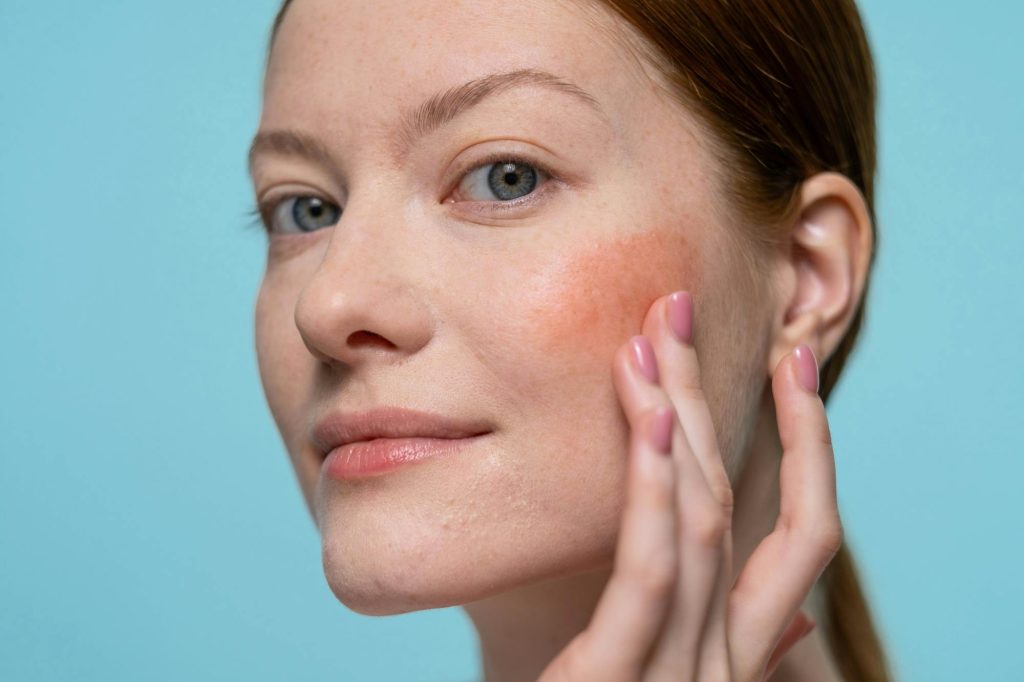
The reality is that rosacea isn’t a cosmetic nuisance — it’s a chronic inflammatory skin condition that often worsens over time without proper treatment, though the course varies between patients. The flushing you notice today can become permanent redness, visible blood vessels, and thickened skin over time. But with the right dermatologist-directed treatment plan, rosacea can be controlled effectively — and in many cases, dramatically improved.
At Elect Dermatology, our board-certified dermatologists treat rosacea patients across Comal County — from downtown New Braunfels and Gruene to Canyon Lake, San Marcos, Seguin, and the surrounding Hill Country — with individualized treatment plans that address both the visible symptoms and the underlying inflammation.
What Is Rosacea and Why Does It Happen?
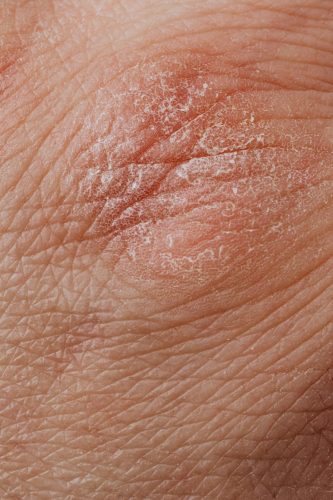
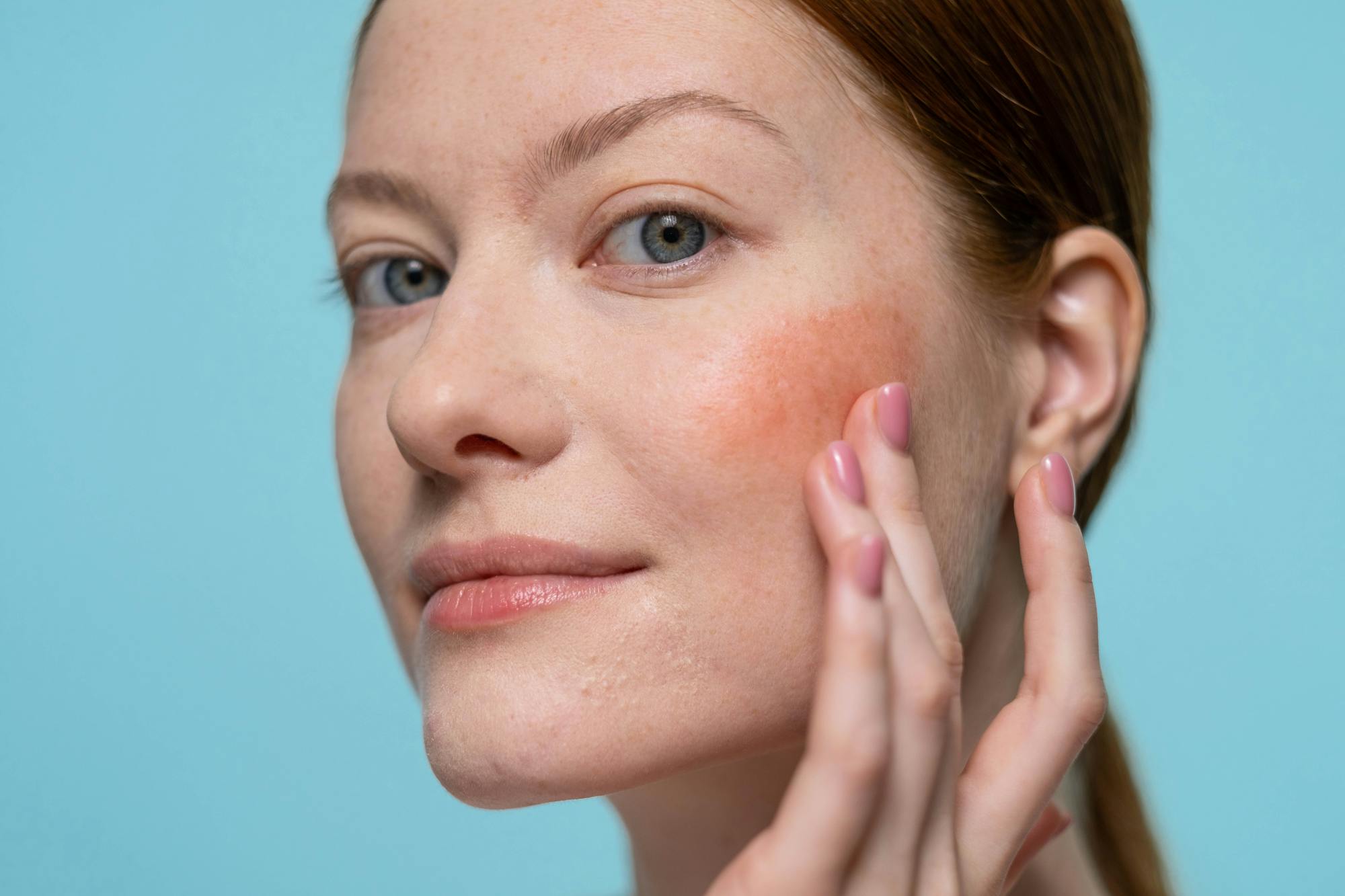
Rosacea is a chronic inflammatory condition that primarily affects the central face — cheeks, nose, chin, and forehead. It typically begins after age 30 and is more common in people with fair skin, though it occurs in all skin types and ethnicities. The AAD identifies four subtypes: erythematotelangiectatic (persistent redness and visible blood vessels), papulopustular (redness with acne-like bumps), phymatous (thickened, bumpy skin — most commonly on the nose), and ocular (eye irritation, dryness, and swollen eyelids).
The exact cause of rosacea isn’t fully understood, but research points to a combination of factors. A 2023 review published in PMC confirmed that rosacea involves dysregulation of the innate immune system, abnormalities in neurovascular signaling, and an overactive inflammatory response to triggers that wouldn’t bother normal skin. Genetics play a significant role — if a parent has rosacea, you’re substantially more likely to develop it — and the skin microbiome, particularly an overabundance of Demodex mites, contributes to the inflammatory cycle.
What makes rosacea particularly frustrating is that it doesn’t follow a predictable pattern. Flares come and go, triggers vary from person to person, and the condition tends to worsen gradually over years if left untreated.
Rosacea Triggers in New Braunfels and Central Texas
Living in the New Braunfels area means contending with some of the most potent rosacea triggers in the country. Understanding your personal triggers is a critical part of any rosacea treatment in New Braunfels.
Sun exposure: UV radiation is the single most commonly reported rosacea trigger, and Central Texas delivers it in abundance. The UV index here regularly exceeds 10 from May through September, and even brief outdoor exposure — walking to your car, watching a Little League game, running weekend errands — can trigger flushing that lasts hours. Daily broad-spectrum SPF 30+ is non-negotiable for rosacea patients in our climate.
Heat and humidity: Texas summers mean temperatures above 100°F and humidity that makes your skin feel like it’s on fire. Heat dilates the blood vessels that are already dysfunctional in rosacea skin, producing intense flushing. Even transitioning between air-conditioned interiors and outdoor heat can trigger a flare.
Wind and dry air: Winter in Central Texas brings cedar season and dry, windy conditions that strip moisture from the skin barrier. The compromised barrier in rosacea-prone skin is especially vulnerable to this irritation.
Spicy food, alcohol, and hot beverages: Tex-Mex is a way of life in New Braunfels, but capsaicin in spicy foods dilates facial blood vessels. Alcohol — particularly red wine — and hot coffee or tea are also well-documented triggers. You don’t have to eliminate these entirely, but understanding which ones affect you allows strategic avoidance during active flares.
Exercise: Physical activity raises core body temperature, which triggers flushing. This doesn’t mean you should stop exercising — it means working out in air-conditioned spaces, using cooling towels, and choosing early morning or evening hours for outdoor activity.
Rosacea Treatment in New Braunfels: What Dermatologists Prescribe
Effective rosacea management combines trigger avoidance, gentle skincare, and targeted medical treatments. Your dermatologist will customize the approach based on your specific subtype, severity, and the symptoms that bother you most.
Topical prescription medications are the foundation of rosacea treatment for most patients. Metronidazole (MetroGel) and azelaic acid reduce the papules and pustules of inflammatory rosacea. Ivermectin (Soolantra) targets Demodex mites and the associated inflammation — a pivotal study published in the British Journal of Dermatology demonstrated that topical ivermectin produced superior results compared to metronidazole for papulopustular rosacea. Brimonidine (Mirvaso) and oxymetazoline (Rhofade) are vasoconstrictors that temporarily reduce facial redness by narrowing dilated blood vessels — useful for patients whose primary concern is persistent background redness.
Oral medications help when topicals alone aren’t sufficient. Low-dose doxycycline (Oracea, 40mg modified-release) is FDA-approved specifically for rosacea — at this dose, it works as an anti-inflammatory rather than an antibiotic, reducing papules and pustules without contributing to antibiotic resistance. For severe or treatment-resistant rosacea, your dermatologist may prescribe isotretinoin at low doses, which can produce significant improvement in patients who haven’t responded to other therapies.
Vascular laser therapy is among the most effective treatments for the vascular components of rosacea — persistent background redness, visible blood vessels (telangiectasias), and flushing. The AAD recommends light-based therapies as a key component of rosacea management, noting that they can significantly reduce redness and visible blood vessels with long-lasting results. At Elect Dermatology, we offer VariLite vascular laser treatments that target rosacea-related redness with minimal downtime.
Gentle skincare optimization is something every rosacea patient needs but few do correctly. Rosacea skin has a compromised barrier — harsh cleansers, scrubs, alcohol-based toners, and fragranced products worsen it. Your dermatologist will help you build a minimal, effective routine: a gentle, fragrance-free cleanser (CeraVe, Vanicream, or La Roche-Posay Toleriane), a barrier-repair moisturizer containing ceramides or niacinamide, and a mineral sunscreen (zinc oxide or titanium dioxide) that won’t irritate reactive skin.
Dealing with rosacea flares that won’t quit? Our board-certified dermatologists specialize in rosacea treatment in New Braunfels and can build a plan tailored to your triggers and skin type. Call (833) 353-2875 or request an appointment online.
Why Over-the-Counter Products Don’t Work for Rosacea
One of the most common mistakes rosacea patients make is treating their condition with products designed for acne. Rosacea and acne can look similar — both produce redness and bumps on the face — but they’re fundamentally different conditions that require different treatments. Benzoyl peroxide, salicylic acid, retinol, and glycolic acid — staples of acne treatment — can devastate rosacea-prone skin, stripping the already-compromised barrier and triggering severe flares.
Over-the-counter “redness relief” products typically contain ingredients like green-tinted color correctors or mild anti-inflammatories that mask symptoms without addressing the underlying vascular dysfunction and inflammation. The problem isn’t that these products are bad — it’s that they can’t access the medical-grade treatments (prescription topicals, controlled-dose oral anti-inflammatories, and light-based therapies) that actually change the course of the disease.
When to See a Dermatologist for Rosacea
Many patients wait years before seeking dermatologist care for rosacea — often because they assume the redness is just sensitive skin, or because a previous provider dismissed their concerns. You should see a dermatologist when facial redness persists for weeks or months without clearing, when you develop acne-like bumps that don’t respond to standard acne treatments, when you notice visible blood vessels appearing on your cheeks or nose, when your eyes feel persistently dry, gritty, or irritated, or when your condition is getting progressively worse despite over-the-counter treatment.
Early intervention matters with rosacea. The visible blood vessels and persistent redness that develop over time are much harder to reverse than early-stage flushing. A board-certified dermatologist can confirm the diagnosis (ruling out conditions that mimic rosacea, like lupus, seborrheic dermatitis, or contact dermatitis), identify your subtype, and start targeted treatment before the condition progresses.
Frequently Asked Questions About Rosacea Treatment in New Braunfels
Can rosacea be cured?
There is currently no cure for rosacea, but it can be very effectively managed. With the right combination of trigger avoidance, prescription medications, and light-based treatments, most patients achieve significant improvement — and many maintain near-clear skin long-term with ongoing maintenance.
Is rosacea the same as sensitive skin?
No. While rosacea skin is sensitive, rosacea is a specific inflammatory condition with identifiable subtypes, characteristic patterns, and targeted treatments. “Sensitive skin” is a general description, not a diagnosis. If your facial redness follows a pattern — central face, triggered by specific factors, worsening over time — it’s worth having a dermatologist evaluate whether rosacea is the cause.
Will my insurance cover rosacea treatment?
Most insurance plans cover prescription medications for rosacea, including topical and oral treatments, since rosacea is a medical diagnosis. Laser treatments for rosacea are sometimes covered depending on your plan and the documented severity of your condition. Our staff at Elect Dermatology will verify your coverage before treatment.
How long does rosacea treatment take to work?
Topical medications typically show improvement within 4 to 8 weeks. Oral doxycycline often produces noticeable results within 2 to 4 weeks. Vascular laser treatments usually require a series of sessions spaced several weeks apart for optimal results. Your dermatologist will set realistic expectations during your first visit.
Can I wear makeup if I have rosacea?
Yes — but choose mineral-based, fragrance-free formulations designed for sensitive skin. Avoid heavy foundations that require aggressive removal, and use a gentle makeup remover rather than scrubbing. Many of our rosacea patients find that as their treatment progresses, they need less makeup to feel confident.
Get Expert Rosacea Treatment in New Braunfels, TX
Rosacea doesn’t have to control your life or your confidence. The right rosacea treatment in New Braunfels — prescribed by a board-certified dermatologist who understands the condition and knows how to manage it in our Central Texas climate — can dramatically reduce redness, eliminate breakouts, fade visible blood vessels, and give you skin you don’t have to worry about every time you look in the mirror.
At Elect Dermatology, Dr. Hockley and Dr. Stahr treat all subtypes of rosacea with personalized plans that combine medical therapy, light-based treatments, and practical skincare guidance. We’ll diagnose your specific subtype, identify your triggers, and build a treatment strategy that delivers real results — not just temporary camouflage.
New patients are welcome, and we’re currently accepting same-week appointments.
Call us today at (833) 353-2875 or request an appointment online. We’re conveniently located at 2154 Gabriels Pl, Ste 103, New Braunfels, TX 78130 — serving patients from across Comal County, including San Marcos, Seguin, Canyon Lake, Schertz, and the greater San Antonio area.
Schedule Your Dermatology Appointment
Our board certified dermatologists in New Braunfels are here to help. New patients are always welcome.