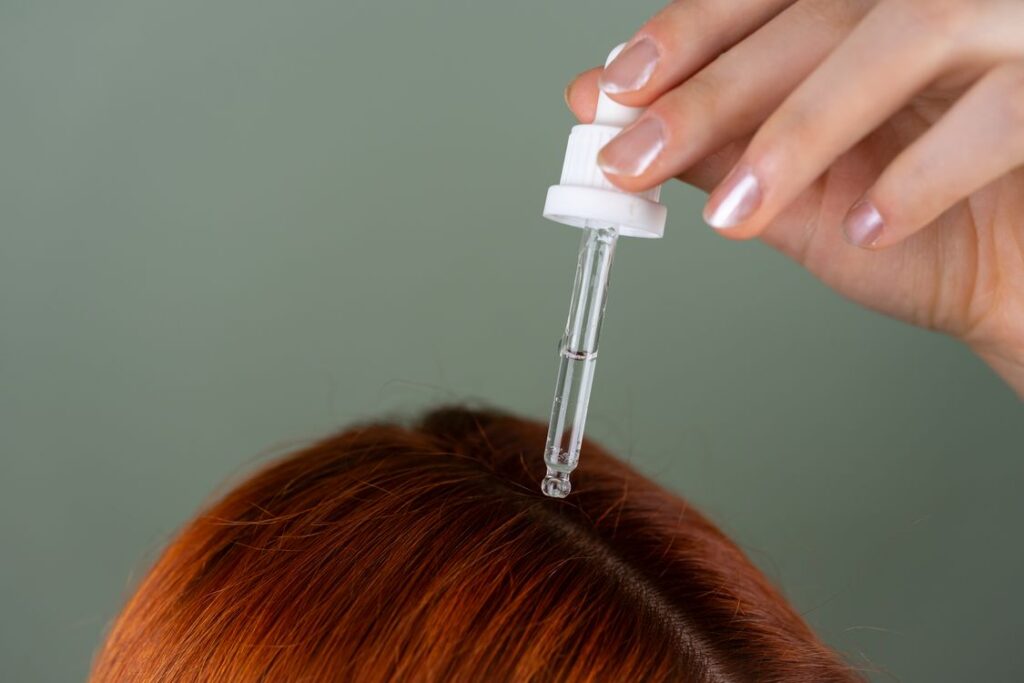
Seborrheic dermatitis treatment in New Braunfels, TX is something we address throughout the year at Elect Dermatology. Seborrheic dermatitis affects approximately 3–5% of the general population and up to 50% of adults with certain risk factors. Despite how common it is, it’s frequently undertreated — many patients have cycled through multiple over-the-counter dandruff shampoos without meaningful relief, unaware that prescription-strength options and properly sequenced treatment protocols can produce dramatically better results.
Quick Summary: Seborrheic dermatitis is a chronic inflammatory condition caused by yeast overgrowth and immune response. It affects the scalp, face, and ears. OTC shampoos often aren’t strong enough — prescription antifungals and calcineurin inhibitors provide better, longer-lasting control.
What Is Seborrheic Dermatitis?
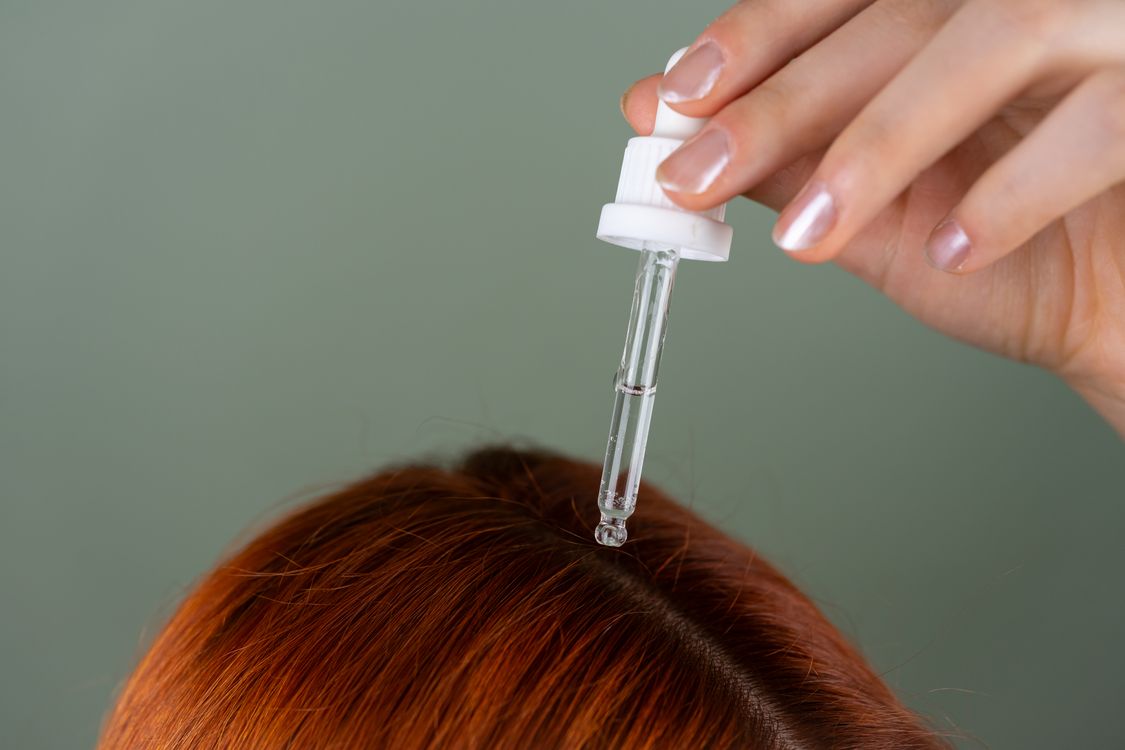
Seborrheic dermatitis is a chronic inflammatory skin condition that causes scaly patches, red skin, and stubborn dandruff — primarily in areas with high sebaceous (oil) gland density. These include the scalp, face (particularly the eyebrows, eyelids, nasolabial folds, and area around the nose), ears, chest, and upper back.
Despite the name suggesting it’s simply an “oily skin” problem, seborrheic dermatitis involves a specific inflammatory reaction to Malassezia — a genus of yeast that is normally present on virtually all adult skin. In susceptible individuals, abnormal Malassezia proliferation triggers an immune response that drives the redness, flaking, and itching. This is why antifungal treatments — not just moisturizers or dry skin remedies — are the cornerstone of effective management.
Seborrheic Dermatitis vs. Dandruff: What’s the Difference?
Dandruff is a mild form of seborrheic dermatitis limited to the scalp, producing fine, dry white flakes without significant redness or inflammation. True seborrheic dermatitis is more extensive — it involves visible redness and greasy, yellowish scales and can affect multiple body areas beyond the scalp. The distinction matters because dandruff may respond to OTC zinc pyrithione shampoos, while more significant seborrheic dermatitis typically requires prescription antifungal treatment for adequate control.
Causes and Triggers of Seborrheic Dermatitis
Sebum production: Malassezia feeds on fatty acids in sebum, which explains why seborrheic dermatitis is most prevalent in areas with the highest sebaceous gland density.
Neurological conditions: Seborrheic dermatitis is significantly more prevalent in patients with Parkinson’s disease, epilepsy, spinal cord injuries, and traumatic brain injury — likely due to autonomic nervous system effects on sebaceous gland activity.
HIV/AIDS: Up to 30–40% of HIV-positive individuals are affected by seborrheic dermatitis. New or dramatically worsening seborrheic dermatitis in an otherwise healthy adult warrants evaluation for immunosuppression.
Stress and fatigue: Physical illness, emotional stress, and sleep deprivation are well-established flare triggers, likely through their effects on immune regulation.
Central Texas climate: Seasonal humidity fluctuations in the New Braunfels area can disrupt skin barrier function and trigger flares year-round — not just in winter.
Medications: Lithium, interferon, psoralen, and certain others have been associated with seborrheic dermatitis flares.
Scalp vs. Facial Seborrheic Dermatitis
Scalp seborrheic dermatitis ranges from mild, fine dandruff to thick, adherent yellowish-greasy scales with significant redness and itching. The greasy, yellowish character of the scales helps distinguish it from scalp psoriasis, which produces thicker, drier, silvery-white plaques. A hallmark of seborrheic dermatitis is its relapsing-remitting pattern — improvement with medicated shampoos, worsening shortly after stopping them.
Facial seborrheic dermatitis commonly presents as redness and yellowish scales in the eyebrows and along the eyebrow margins, scaling around the nostrils and nasolabial folds, seborrheic blepharitis (eyelid scaling sometimes mistaken for eye irritation), and a red, slightly scaly patch on the nose bridge that can mimic rosacea. Facial seborrheic dermatitis requires gentler treatment than scalp disease — the potent antifungal shampoos appropriate for the scalp can be irritating to facial skin.
Distinguishing Seborrheic Dermatitis from Other Conditions
Psoriasis: Plaques are thicker, silvery-white, and well-demarcated, often with nail involvement. Seborrheic dermatitis scales are greasy and yellowish. “Sebopsoriasis” — clinical overlap between the two — exists and can require treatment targeting both conditions.
Rosacea: Causes facial flushing and visible blood vessels (telangiectasias) without significant scaling. Facial seborrheic dermatitis produces scaling alongside redness. Both can coexist in the same patient.
Atopic dermatitis (eczema): More likely to involve the neck, inner elbows, and backs of knees — seborrheic dermatitis does not typically affect these locations.
Contact dermatitis: More localized to the exposure site; history of new haircare products, hair dye, or metals is helpful in distinguishing.
Best Shampoo for Seborrheic Dermatitis: OTC vs. Prescription
Not all dandruff shampoos are equally effective. Understanding the difference between OTC and prescription options helps explain why many patients fail OTC treatment:
OTC options (mild disease): Zinc pyrithione (Head & Shoulders), selenium sulfide 1% (Selsun Blue OTC), coal tar, and ketoconazole 1% (Nizoral OTC) — provide some antifungal and anti-inflammatory benefit for mild seborrheic dermatitis.
Prescription options (moderate-severe disease): Ketoconazole 2% shampoo (significantly stronger antifungal than 1% OTC), selenium sulfide 2.5% shampoo (prescription strength), and ciclopirox shampoo (a broad-spectrum antifungal with good evidence as a first-line scalp treatment). These produce substantially better results for patients with inadequate OTC response.
Initial protocol: Use 2–3 times per week until controlled, then reduce to 1–2 times per week for ongoing maintenance. Patients who stop medicated shampoo entirely after clearing will typically flare again within weeks to months.
Treatment Options for Seborrheic Dermatitis
Antifungal Creams (Face)
Ketoconazole 2% cream or ciclopirox cream applied once or twice daily to affected facial areas — effective for eyebrows, nasolabial folds, and other facial sites without the irritation that scalp shampoos can cause on delicate facial skin.
Topical Corticosteroids
Low-to-mid potency topical corticosteroids (desonide, hydrocortisone valerate) are used for short-term flare control — typically 5–14 days on the face — to rapidly reduce inflammation. They are not appropriate for long-term maintenance due to risks of skin atrophy and telangiectasias. On the face, low-potency options only (hydrocortisone 1–2.5%) are recommended to avoid corticosteroid-induced rosacea and skin thinning.
Topical Calcineurin Inhibitors (Tacrolimus, Pimecrolimus)
The most important non-steroidal option for long-term facial and skin fold maintenance. Tacrolimus ointment (Protopic) and pimecrolimus cream (Elidel) reduce inflammation without any risk of skin atrophy or telangiectasias, making them ideal for indefinite facial maintenance after initial flare control with antifungals and/or short-course steroids. A mild burning sensation is common initially and typically resolves within a few days of use.
Oral Antifungals
Short courses of oral itraconazole or fluconazole can produce rapid improvement for severe or widespread seborrheic dermatitis not responding adequately to topical therapy. Not for long-term use given drug interaction and monitoring considerations.
When to See a Dermatologist for Seborrheic Dermatitis
Consider scheduling a visit at Elect Dermatology if your seborrheic dermatitis is:
- Not responding after 8+ weeks of consistent OTC treatment
- Affecting the face with significant redness, itching, or scaling
- Spreading beyond the scalp to ears, eyebrows, eyelids, or chest
- Causing significant flaking on clothing, eyebrows, or beard
- Possibly confused with psoriasis, rosacea, or contact dermatitis — diagnosis matters for correct treatment
- New or significantly worsening in a previously healthy adult — warrants evaluation
Our board-certified dermatologists can confirm the diagnosis, rule out mimicking conditions, and establish a treatment regimen with a proper maintenance protocol — rather than the indefinite OTC trial-and-error cycle most patients experience.
If dandruff shampoos aren’t working or your facial flaking keeps returning, seborrheic dermatitis may require prescription treatment. Schedule your visit at Elect Dermatology in New Braunfels today.
Long-Term Management of Seborrheic Dermatitis
Seborrheic dermatitis is a chronic condition with no permanent cure. The goal is long-term control:
- Maintain antifungal shampoo use 1–2 times per week even when flare-free
- Identify and manage personal triggers (stress, illness, sleep disruption)
- Use gentle, fragrance-free cleansers on the face
- For facial disease: establish a maintenance protocol with antifungal and/or calcineurin inhibitor under dermatologist guidance
- Avoid picking or scratching at scales — increases inflammation and secondary infection risk
Frequently Asked Questions: Seborrheic Dermatitis
Is seborrheic dermatitis contagious?
No. It is caused by an abnormal immune response to a yeast that is normally present on everyone’s skin — not by a transmissible infection. It cannot be spread through skin contact or sharing personal items.
Can seborrheic dermatitis go away permanently?
In infants, cradle cap often resolves spontaneously within the first year. In adults, seborrheic dermatitis is typically a chronic condition requiring ongoing maintenance. Some adults do experience long periods of remission, but most find intermittent treatment is necessary throughout adulthood.
Does diet affect seborrheic dermatitis?
The evidence is limited but some patients report improvement with reduced refined sugar and processed food intake. A healthy anti-inflammatory diet supports general skin health, but dietary changes alone are unlikely to fully control seborrheic dermatitis. They complement — but do not replace — antifungal treatment.
Is ketoconazole shampoo safe for long-term use?
Prescription ketoconazole 2% shampoo has a minimal systemic absorption profile when used as directed and is well-tolerated for long-term intermittent maintenance on the scalp. Our dermatologists can advise on appropriate long-term protocols for your specific presentation.
What is the difference between ketoconazole 1% and 2%?
Ketoconazole 1% is available OTC (Nizoral A-D) and effective for mild dandruff. Ketoconazole 2% is prescription-strength and significantly more effective for moderate-to-severe seborrheic dermatitis. The difference matters for patients who have failed OTC treatment — the prescription concentration is not simply “a little stronger.”
Schedule Your Seborrheic Dermatitis Consultation in New Braunfels
Patients across New Braunfels, Seguin, Canyon Lake, and San Marcos trust Dr. Hockley and Dr. Stahr at Elect Dermatology for expert diagnosis and treatment of seborrheic dermatitis, scalp conditions, and facial dermatitis. If OTC products aren’t providing lasting control, prescription options and a structured maintenance protocol can make a meaningful difference.
📞 Call (833) 353-2875 to schedule your appointment.
📍 2154 Gabriels Pl, Ste 103, New Braunfels, TX 78130
References
- American Academy of Dermatology. Seborrheic Dermatitis: Overview. Accessed 2025.
- Borda LJ, Wikramanayake TC. “Seborrheic Dermatitis and Dandruff: A Comprehensive Review.” Journal of Clinical and Investigative Dermatology. 2015;3(2). PubMed.
- Naldi L, Rebora A. “Seborrheic Dermatitis.” New England Journal of Medicine. 2009;360(4):387–396. PubMed.
- Gupta AK, et al. “Seborrheic dermatitis.” Dermatologic Clinics. 2003;21(3):401–412.
- Gupta AK, Nicol KA. Ciclopirox 1% shampoo for the treatment of seborrheic dermatitis. Int J Dermatol. 2006. International Journal of Dermatology. 2006;45(7):868–872. PubMed.
Schedule Your Dermatology Appointment
Our board certified dermatologists in New Braunfels are here to help. New patients are always welcome.