Skin cancer is one of the most common types of cancer in the United States, with more than 9,500 people diagnosed each day. In fact, one in five Americans will develop skin cancer in their lifetime.
Fortunately, when detected early, skin cancer is highly treatable, and regular screenings can be the key to early detection.
At Elect Dermatology in New Braunfels, TX, we emphasize the importance of regular skin cancer screenings as part of your overall skincare and health routine.
Here’s some information on why skin cancer screenings are crucial, what to expect during a screening, and how you can protect your skin in between visits.
What Is Skin Cancer and Why Is Early Detection So Important?
Skin cancer occurs when skin cells grow uncontrollably, often as a result of damage from UV radiation, whether from the sun or tanning beds. The three most common types of skin cancer are basal cell carcinoma (BCC), squamous cell carcinoma (SCC), and melanoma. Of these, melanoma is the most dangerous and aggressive, but it’s also the least common. Basal and squamous cell carcinomas are more common and generally easier to treat if detected early.
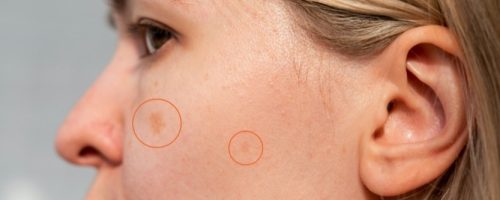
The key to effective treatment is early detection. Skin cancer often begins with changes in the appearance of your skin, such as new growths, sores that don’t heal, or changes to existing moles or freckles. While some of these changes may be harmless, others can signal the presence of cancer. Regular skin cancer screenings with a dermatologist are essential for identifying potential issues before they progress.
How Skin Cancer Screenings Work
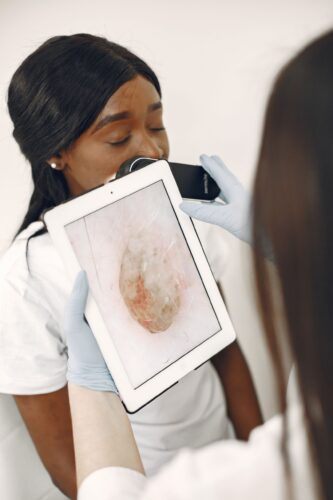
A skin cancer screening is a simple and non-invasive procedure performed by a dermatologist. During the screening, your dermatologist will examine your skin from head to toe, looking for any suspicious growths, moles, or lesions. They will also assess any changes in the appearance of your skin, such as irregularities in shape, color, or texture. If any areas appear concerning, your dermatologist may take a biopsy to test for cancerous cells.
For patients with a history of skin cancer or a high risk of developing skin cancer, more frequent screenings may be recommended. This may include individuals with fair skin, a family history of skin cancer, a history of excessive sun exposure, or those who have had previous skin cancers.
Why You Should Prioritize Regular Skin Cancer Screenings
- Early Detection Saves Lives
The primary reason for regular skin cancer screenings is that early detection can save your life. When skin cancer is caught early, the chances of successful treatment are much higher. For example, if melanoma is detected in its earliest stages, the five-year survival rate is over 98%. However, if melanoma spreads to other parts of the body, the survival rate drops significantly. By getting checked regularly, you’re giving yourself the best chance at catching any abnormalities before they become more serious.
- Preventing the Spread of Skin Cancer
For some types of skin cancer, early intervention means that treatment can be minimally invasive. For example, basal cell and squamous cell carcinomas can often be removed surgically or treated with localized therapies. If left untreated, these cancers can spread deeper into the skin or even to other organs, requiring more aggressive treatments. Regular screenings can identify these conditions early, preventing them from advancing to a stage where they may require more extensive treatment.
- Monitoring Changes in Your Skin
Your skin changes over time, and it’s important to keep track of these changes. A dermatologist can help you recognize signs of skin cancer that you may have overlooked. For example, the ABCDEs of melanoma (Asymmetry, Border, Color, Diameter, and Evolving) can help you identify warning signs of melanoma. However, many people are not familiar with these signs, which is why it’s essential to have a professional regularly examine your skin. A dermatologist can spot even the smallest changes that may indicate a problem.
- Peace of Mind
While skin cancer screenings are vital for detecting potential issues, they also offer peace of mind. Many people worry about the possibility of developing skin cancer, especially if they have had significant sun exposure throughout their lives. By scheduling regular screenings, you can rest assured that you are taking the necessary steps to catch anything suspicious early. Knowing that you are proactive about your skin health can reduce anxiety and stress related to skin cancer.
What You Can Do Between Screenings
In addition to scheduling regular screenings, there are several steps you can take on your own to protect your skin and reduce your risk of developing skin cancer.
- Protect Your Skin from UV Radiation
One of the leading causes of skin cancer is exposure to UV radiation from the sun. Wearing sunscreen with SPF 30 or higher, even on cloudy days, can help protect your skin. Additionally, wearing protective clothing such as hats and long sleeves and avoiding tanning beds are important steps in reducing your risk. - Check Your Skin Regularly
Performing self-skin exams monthly can help you spot any changes in your skin. Look for new moles or growths and monitor any existing moles for changes in shape, size, or color. If you notice anything unusual, schedule a visit to your dermatologist as soon as possible. - Be Aware of Family History
If you have a family history of skin cancer, it’s crucial to be even more vigilant about your skin health. Make sure to inform your dermatologist of your family history, as this can help them assess your risk and recommend an appropriate screening schedule. - Healthy Lifestyle Choices
Maintaining a healthy lifestyle, including eating a balanced diet, staying hydrated, and avoiding smoking, can contribute to healthier skin. Eating foods rich in antioxidants can also help support your skin’s ability to repair damage from UV exposure.
Skin cancer screenings are a critical part of maintaining good skin health, especially for those living in sunny climates like New Braunfels, TX.
By scheduling regular screenings with a dermatologist, you are taking the proactive steps necessary to detect skin cancer early, prevent its spread, and ensure the best possible outcomes.
At Elect Dermatology, we are committed to providing comprehensive skin cancer screenings and other dermatological services to keep your skin healthy and safe.
Don’t wait until something feels wrong—schedule your skin cancer screening today. Call us to book your appointment and take the first step toward protecting your skin health.
Schedule Your Dermatology Appointment
Our board certified dermatologists in New Braunfels are here to help. New patients are always welcome.