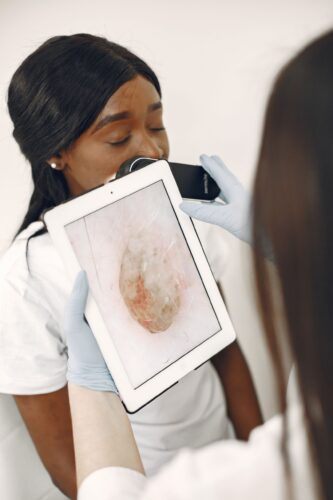
Dark spots on the face are one of the most common skin concerns we treat in dermatology. Some patients notice small brown spots developing after years of sun exposure, while others experience uneven pigmentation following acne breakouts, hormonal changes, or skin irritation.
These spots can vary in size, color, and depth, but they often make the skin appear older, uneven, or less vibrant. While many dark spots are harmless, understanding what is causing the pigmentation is important because different skin conditions require different treatment approaches.
At Elect Dermatology, we evaluate the underlying cause of facial discoloration so we can create customized treatment plans designed to improve skin tone, reduce pigmentation, and support healthier-looking skin.
Sun Damage Is a Leading Cause of Dark Spots
Years of ultraviolet (UV) exposure are one of the biggest reasons dark spots form on the face. These spots, commonly called sun spots or age spots, develop when excess melanin collects in certain areas of the skin after repeated sun exposure.
Sun spots often appear on areas that receive the most UV exposure, including:
- Cheeks
- Forehead
- Nose
- Upper lip
- Temples
Even small amounts of daily sun exposure can gradually contribute to pigmentation changes over time, especially in Texas where UV exposure is strong year-round.
Post-Inflammatory Hyperpigmentation
Dark spots can also develop after inflammation or skin trauma. This condition, known as post-inflammatory hyperpigmentation (PIH), occurs when the skin produces excess pigment while healing.
Common triggers include:
- Acne breakouts
- Skin irritation
- Bug bites
- Scratching or picking at the skin
- Rashes or eczema flare-ups
PIH is especially common in patients with medium to darker skin tones because the skin may produce more melanin during the healing process.
While some spots fade gradually on their own, others may persist for months or longer without treatment.
Melasma and Hormonal Changes
Melasma is another very common cause of dark facial patches, especially among women. Unlike isolated sun spots, melasma often appears as larger symmetrical patches of discoloration across the cheeks, forehead, upper lip, or jawline.
Hormonal fluctuations frequently contribute to melasma, which is why it is commonly associated with:
- Pregnancy
- Birth control pills
- Hormone changes
- Sun exposure
Melasma can be difficult to treat because heat and UV exposure often trigger recurring pigmentation. This is why proper diagnosis and long-term skin management are important.
Aging and Uneven Skin Tone
As skin ages, years of cumulative sun exposure and slower skin cell turnover can lead to uneven pigmentation and visible discoloration. Many patients notice dark spots becoming more noticeable in their 40s, 50s, and beyond.
In addition to dark spots, patients may also experience:
- Dull skin tone
- Fine lines and wrinkles
- Rough skin texture
- Loss of brightness
- Enlarged pores
Comprehensive skin rejuvenation treatments often focus on improving multiple signs of aging simultaneously.
How Dermatologists Treat Dark Spots
The best treatment for dark spots depends on the underlying cause, skin type, and depth of pigmentation. Because some treatments work better for certain skin conditions than others, a personalized evaluation is important before beginning treatment.
Depending on your needs, treatment recommendations may include:
- Prescription topical creams
- Chemical peels
- Laser treatments
- Medical-grade skincare products
- Microneedling
- Sun protection strategies
Patients with pigmentation concerns often benefit from combining professional treatments with a consistent home skincare routine.
Why Sunscreen Is So Important
One of the most important parts of preventing and managing dark spots is daily sun protection. Without proper UV protection, pigmentation can continue worsening even after successful treatment.
Broad-spectrum sunscreen helps reduce:
- Sun spot formation
- Melasma flare-ups
- Premature aging
- UV-related skin damage
- Recurring hyperpigmentation
Consistent sunscreen use is one of the simplest and most effective ways to protect long-term skin health.
When Should You See a Dermatologist?
Any new, changing, or irregular dark spot should be professionally evaluated, especially if the spot changes in size, shape, color, or texture. While many dark spots are harmless pigmentation issues, some skin lesions may require further examination.
Early evaluation allows us to determine whether discoloration is cosmetic, inflammatory, sun-related, or something requiring additional medical attention.
Dark Spot Treatment in New Braunfels, TX
Dark spots on the face can develop from sun exposure, acne scars, melasma, aging, and several other skin conditions. Identifying the cause is the first step toward creating an effective treatment plan that helps improve skin clarity and tone.
Elect Dermatology provides personalized treatment options for pigmentation concerns, melasma, sun damage, and uneven skin tone in New Braunfels, TX.
Call us today at (833) 353-2875 to schedule an appointment.
Schedule Your Dermatology Appointment
Our board certified dermatologists in New Braunfels are here to help. New patients are always welcome.