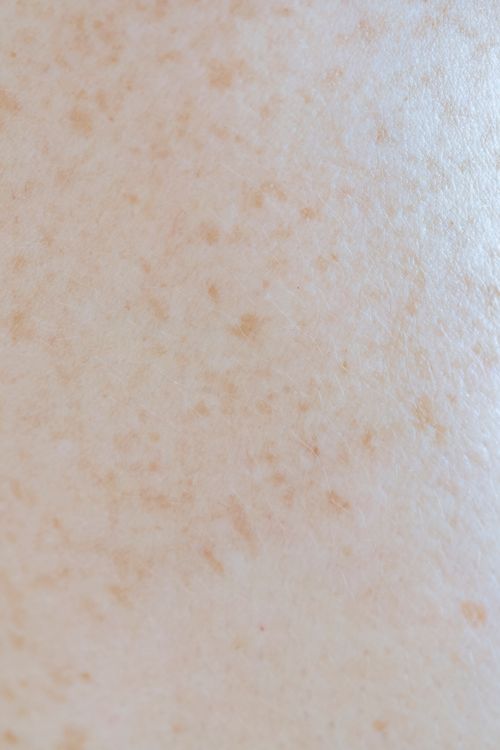
Melasma treatment in New Braunfels, TX starts with an accurate diagnosis — because melasma is one of the most commonly misdiagnosed pigmentation conditions in Central Texas, where year-round intense sun exposure keeps triggering it. If you’ve been using brightening serums, vitamin C products, or over-the-counter dark spot treatments for months without meaningful improvement, there’s a reason: melasma isn’t an ordinary dark spot condition, and it doesn’t respond to ordinary dark spot treatments.
At Elect Dermatology in New Braunfels, Dr. Hockley and Dr. Stahr see melasma patients regularly. Here’s what’s actually happening in your skin, why OTC products fall short, and what the evidence says actually works.
What Is Melasma?
Melasma is a chronic pigmentation disorder in which the skin’s pigment-producing cells (melanocytes) overproduce melanin in specific, symmetrical patterns — most commonly on the cheeks, forehead, upper lip, nose bridge, and chin. It is not caused by sun damage alone. It’s a combination of hormonal stimulation, UV exposure, and genetic predisposition that creates a persistent, difficult-to-treat pigmentation pattern.
The American Academy of Dermatology estimates melasma affects approximately 5 million Americans, with women accounting for roughly 90% of cases. In Texas — where the San Antonio and New Braunfels region regularly records UV indices of 10–11+ during summer months — melasma is especially prevalent and particularly difficult to keep suppressed.
What Causes Melasma? The Three Primary Triggers
1. Hormonal Fluctuation
Estrogen and progesterone directly stimulate pigment-producing cells in the skin. Studies published in dermatology journals show that estrogen activates receptors within melanocytes, which is why melasma so commonly appears during pregnancy (where it’s called “the mask of pregnancy” or chloasma), while taking oral contraceptives, during hormone replacement therapy, and during perimenopause. This hormonal link is what makes melasma fundamentally different from sun damage: you can’t sunscreen your way out of a hormonally-driven condition.
2. UV Exposure
Ultraviolet radiation is the most powerful trigger for melasma recurrence. Even brief, incidental daily sun exposure — the walk from your car to a building, sitting near a sunny window — is enough to re-activate melanocytes in susceptible patients. This is why melasma is a chronic condition that requires ongoing management rather than a one-time fix.
3. Genetic Predisposition
Melasma has a strong familial pattern. Patients with a first-degree relative who has melasma have significantly elevated risk. It is more common in patients with Fitzpatrick skin types III–V (olive to dark skin tones). In New Braunfels and Central Texas, this includes a large proportion of the Hispanic and Latino community — a group that also faces some of the highest UV exposure levels in the country.
Why OTC Products Don’t Work for Melasma
Most patients arrive having already tried vitamin C serums, niacinamide, kojic acid, or products marketed for “dark spots.” These products can provide modest improvement for post-inflammatory hyperpigmentation (the dark marks left by a healed pimple), but they consistently underperform for true melasma for two key reasons:
- They don’t address hormonal triggers. No topical brightening product interrupts the hormone-to-melanocyte signaling pathway that drives melasma.
- The pigment is often deep. Melasma can be epidermal (near the surface), dermal (deeper in the skin), or mixed. Vitamin C and niacinamide primarily address surface pigment. Dermal melasma requires entirely different treatment strategies.
At Elect Dermatology, we use a Wood’s lamp examination to determine whether your pigment is epidermal, dermal, or mixed — a critical distinction that guides which treatments are appropriate and helps set accurate expectations before we begin.
What Actually Works for Melasma
1. Prescription Triple Combination Therapy — The Gold Standard
The most evidence-backed treatment for melasma is triple combination therapy: hydroquinone (blocks melanin production) combined with a topical retinoid (increases cell turnover) and a mild corticosteroid (reduces irritation that can paradoxically trigger more pigmentation). The prescription formulation Tri-Luma combines all three and is FDA-approved specifically for melasma. A landmark clinical trial in the Journal of the American Academy of Dermatology found triple combination therapy produced significant improvement in 77% of patients — a result no OTC product approaches.
Hydroquinone is typically used in 8–12 week treatment cycles with maintenance breaks to reduce the rare risk of ochronosis (paradoxical darkening with very prolonged use). This cycling protocol should be supervised by a dermatologist. Prescription 4% hydroquinone is substantially more effective than the 2% OTC concentration.
2. Tranexamic Acid
Tranexamic acid has emerged as one of the most promising newer approaches to melasma. Originally a clot-preventing medication, researchers discovered it blocks the signaling pathway between UV-activated skin cells and melanocytes — interrupting one of melasma’s key triggering mechanisms at the cellular level. It can be used as a topical agent or, under physician supervision, as a low-dose oral supplement. A 2019 meta-analysis in the Journal of the European Academy of Dermatology and Venereology confirmed tranexamic acid’s efficacy and favorable safety profile for melasma. Patients considering oral tranexamic acid should be screened for clotting risk factors before starting, as it has systemic effects.
3. Chemical Peels
Superficial to medium-depth chemical peels using glycolic acid or modified Jessner’s solution can improve melasma by accelerating the removal of melanin-rich cells from the upper skin layers. At Elect Dermatology, we carefully select peel depth based on your skin type and Fitzpatrick classification. Deeper peels in patients with darker skin tones carry meaningful risk of triggering post-inflammatory hyperpigmentation — worsening the condition. Physician guidance is essential. See our chemical peels page for more detail.
4. Laser and Light Treatments: With Important Caveats
Many lasers that generate heat in the skin can paradoxically worsen melasma by triggering post-inflammatory hyperpigmentation, particularly in patients with skin types III–V. Light-based devices can improve some cases of superficial epidermal melasma but are controversial for this condition and require careful patient selection — they are not part of our melasma protocol. At Elect Dermatology, we do not use laser or light devices as first-line melasma treatments — only after topical therapy has been maximized and only in appropriate candidates based on pigmentation depth and skin type.
5. Sun Protection — The Non-Negotiable Foundation
No melasma treatment works without rigorous, consistent sun protection. UV exposure will trigger melasma recurrence within weeks of successful treatment. Daily broad-spectrum SPF 50+ sunscreen applied to all exposed facial skin, year-round, is non-negotiable. We specifically recommend sunscreens containing iron oxides, which block visible light — an independent melasma trigger that standard SPF products miss. A hat with at least a 3-inch brim and UV-protective clothing provide protection that sunscreen alone cannot replicate outdoors.
Maintenance Therapy: The Key to Long-Term Control
Successfully treating a melasma flare is only the first step. Without ongoing maintenance therapy — typically a lower-intensity topical regimen plus strict sun protection — melasma will recur with the next hormonal change or significant sun exposure. We work with every patient to build a realistic long-term management plan that keeps melasma controlled without repeated intensive treatment cycles.
Managing Expectations: Melasma Is Chronic, Not Curable
Melasma can be dramatically improved — sometimes to the point of being barely noticeable — but it is a chronic condition that tends to recur. The goal is not permanent elimination; the goal is management to a level that doesn’t affect your quality of life. Patients who start with realistic expectations and maintain consistent sun protection and maintenance therapy achieve the best long-term results.
Frequently Asked Questions About Melasma
Can melasma be permanently removed?
Melasma can be significantly reduced and kept well controlled, but it is a chronic condition. The right treatment plan gets you to a baseline you’re happy with; ongoing sun protection and maintenance therapy keep you there.
Does sunscreen alone help melasma?
Sunscreen is essential but not sufficient by itself. It prevents worsening and recurrence but doesn’t reverse existing pigmentation. Prescription therapy is needed to reduce existing melasma — sunscreen protects your investment in that treatment.
Does pregnancy melasma go away on its own?
Sometimes. Melasma triggered by pregnancy often improves after delivery as hormones normalize — but it doesn’t always fully resolve, and subsequent sun exposure can bring it back years later.
Are lasers safe for melasma?
It depends entirely on the laser, the technique, and your skin type. Some laser approaches at low settings can help specific melasma types; others can make it significantly worse. This should only be evaluated by a board-certified dermatologist with expertise in pigmentation conditions.
What’s the difference between melasma and sun spots?
Sun spots (solar lentigines) are discrete, well-defined spots caused by cumulative UV damage. Melasma appears in larger, cloud-like symmetrical patches and is hormonally influenced. A dermatologist can distinguish them accurately — and many patients have both simultaneously.
Ready to Get Your Melasma Under Control?
Melasma is difficult to treat with off-the-shelf products — but it improves significantly with the right physician-directed plan. At Elect Dermatology in New Braunfels, we create individualized melasma treatment programs using prescription triple combination therapy, pigment-safe chemical peels, and carefully selected procedures tailored to your skin type, hormonal history, and pigmentation depth.
If you’re tired of brown patches that won’t respond to what you’ve been trying, it’s time for a proper evaluation. Call (833) 353-2875 to schedule a consultation, or request an appointment online. We’re located at 2154 Gabriels Pl, Ste 103, New Braunfels, TX 78130 — serving New Braunfels, Seguin, San Marcos, Canyon Lake, Schertz, and the Hill Country.
Reviewed by Dr. Hockley, Board-Certified Dermatologist, Elect Dermatology, New Braunfels, TX.
References
- American Academy of Dermatology. Melasma: Overview. aad.org.
- Grimes PE. Melasma: etiologic and therapeutic considerations. Archives of Dermatology. 1995;131(12):1453–1457. PubMed.
- Taylor SC, et al. Triple-combination cream for facial melasma. Cutis. 2003;72(1):67–72. PubMed.
- Wang WJ, et al. The optimal dose of oral tranexamic acid in melasma: a network meta-analysis. Indian J Dermatol Venereol Leprol. 2023. PubMed
- U.S. FDA. Tri-Luma Cream prescribing information. accessdata.fda.gov. 2020.
- Espósito ACC, et al. Update on melasma — part I: pathogenesis. Dermatol Ther (Heidelb). 2022. PubMed
Schedule Your Dermatology Appointment
Our board certified dermatologists in New Braunfels are here to help. New patients are always welcome.