IPL Treatment in New Braunfels: The Photofacial That Reverses Years of Texas Sun Damage
If you’re looking for IPL treatment in New Braunfels, you’re likely dealing with the visible toll that Texas sun takes on your skin — brown spots, broken blood vessels, uneven tone, and that dull, aged appearance that no amount of vitamin C serum seems to fix. An IPL photofacial is one of the most effective treatments in modern dermatology for reversing photodamage, and it does it without surgery, without needles, and with virtually no downtime.
IPL — short for intense pulsed light — uses broad-spectrum light energy to target pigment and vascular irregularities beneath the skin’s surface. The American Academy of Dermatology recognizes light-based therapies including IPL as safe and effective treatments for a wide range of cosmetic skin concerns when performed by a qualified provider.
At Elect Dermatology, our board-certified dermatologists perform IPL photofacials for patients across Comal County — from downtown New Braunfels and Gruene to Canyon Lake, San Marcos, Seguin, and the surrounding Hill Country — with customized treatment settings tailored to your specific skin type, concerns, and goals.
What Is an IPL Photofacial and How Does It Work?
Unlike a laser, which emits a single wavelength of light, IPL delivers multiple wavelengths of broad-spectrum light in rapid pulses. This light penetrates the skin and is absorbed by two main targets: melanin (the pigment in brown spots and sun damage) and hemoglobin (the red pigment in blood vessels). When these targets absorb the light energy, they heat up and are gradually broken down and eliminated by your body’s natural healing processes.
The result is a reduction in brown spots, red spots, broken capillaries, and overall discoloration — revealing a more even, clear, and youthful complexion. A comprehensive review published in PMC confirmed that IPL therapy demonstrates significant efficacy for photorejuvenation with a favorable safety profile when appropriate treatment parameters are used.
What makes IPL treatment in New Braunfels particularly appealing is that it treats multiple concerns simultaneously. A single session addresses brown spots, redness, and uneven texture at the same time — something most individual treatments can’t accomplish.
What Does IPL Treat?
Sun damage and age spots (solar lentigines): The flat brown spots that develop on sun-exposed areas — face, chest, hands, shoulders — are the most common reason patients seek IPL in Central Texas. IPL is one of the most efficient ways to reduce or eliminate these spots without the peeling and downtime of chemical peels or ablative lasers.
Rosacea and facial redness: IPL targets the dilated blood vessels that cause persistent facial redness, flushing, and the visible capillaries associated with rosacea. The AAD notes that light-based treatments including IPL can significantly reduce rosacea-related redness and visible blood vessels, often with long-lasting results.
Broken blood vessels (telangiectasias): The small, visible red or purple blood vessels that appear on the nose, cheeks, and chin respond well to IPL because the hemoglobin in these vessels absorbs the light energy and causes the vessel to collapse and fade.
Uneven skin tone and texture: Beyond targeting specific spots and vessels, IPL stimulates collagen production in the deeper layers of skin, which over time improves overall skin texture, reduces fine pore appearance, and creates a more uniform complexion.
Freckles and diffuse pigmentation: Patients with widespread freckling or mottled pigmentation from years of sun exposure often see dramatic improvement after a series of IPL treatments.
Why IPL Treatment in New Braunfels Is Especially Relevant
Living in Central Texas means your skin takes more sun damage than most of the country. The combination of high UV index for 8+ months per year, outdoor lifestyle, and the reflective surfaces of rivers and lakes around New Braunfels means even patients who “always wear sunscreen” accumulate significant photodamage over time.
That’s why IPL has become one of the most popular cosmetic dermatology procedures in our practice. Many patients in their 30s, 40s, and 50s who have lived in Texas their entire lives are seeing the cumulative effects of decades of sun exposure — and IPL offers a way to reverse much of that damage without invasive procedures or extended recovery.
What to Expect During an IPL Photofacial
Before treatment: Your dermatologist will evaluate your skin type, discuss your concerns, and determine whether IPL is the right approach. Patients should avoid sun exposure and self-tanners for 2 to 4 weeks before treatment — tanned skin absorbs light energy at the surface instead of letting it reach the deeper targets, which increases the risk of burns. You’ll also discontinue any photosensitizing medications or retinoids as directed.
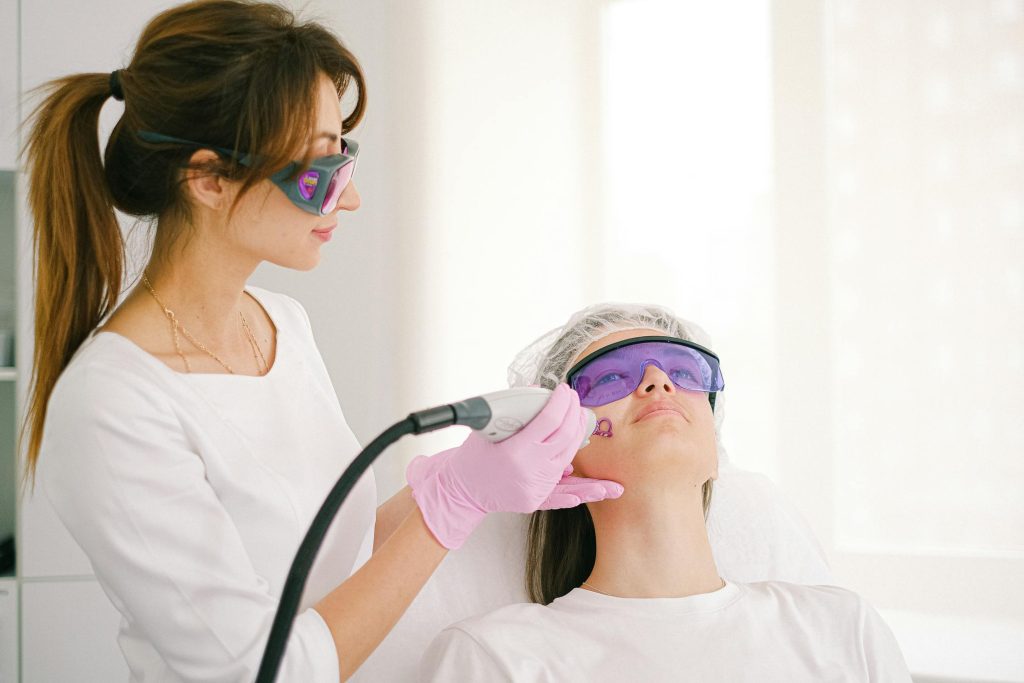
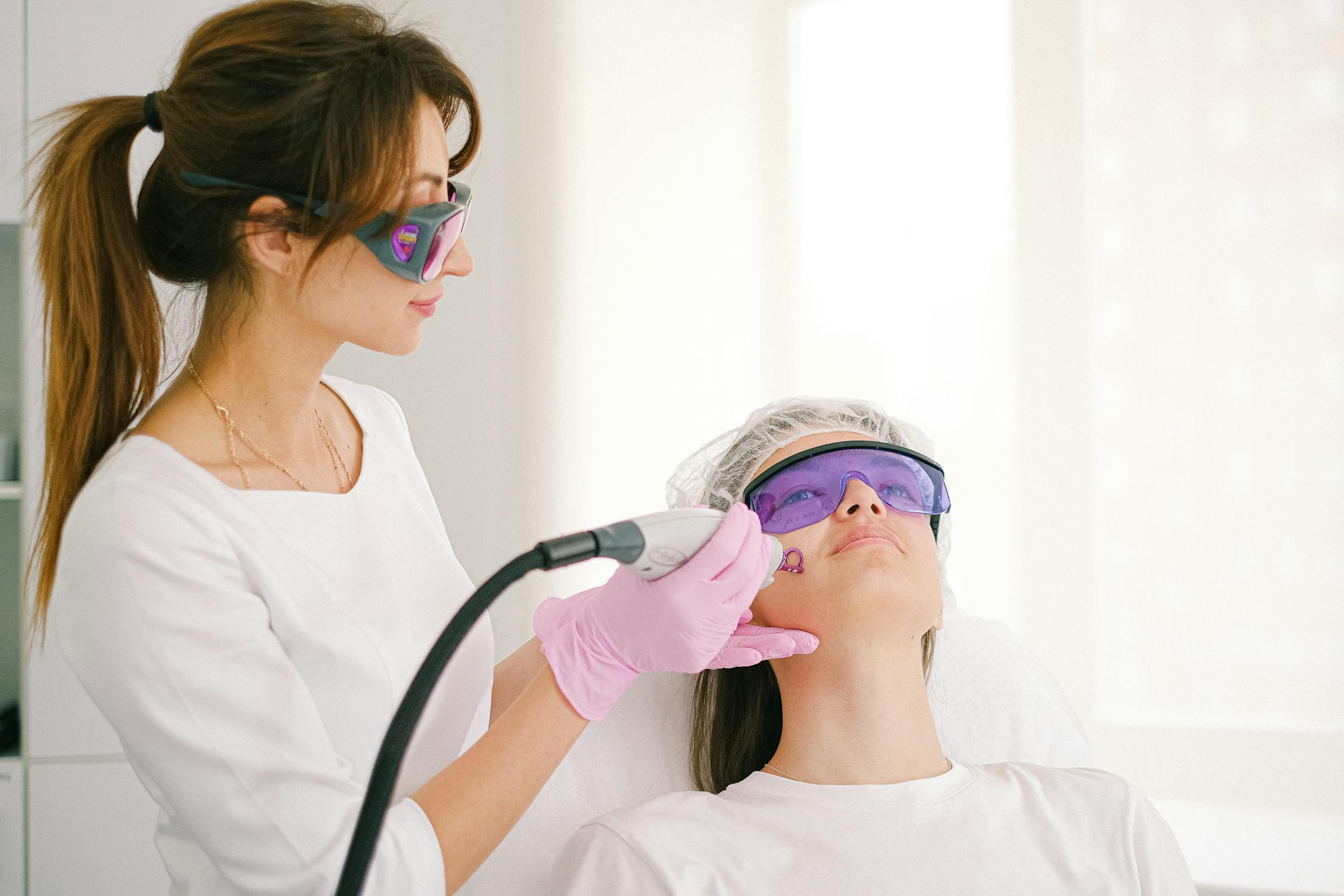
During treatment: A cooling gel is applied to the treatment area, and you’ll wear protective eye shields. The IPL handpiece delivers pulses of light that feel like a warm snap — most patients compare it to a rubber band flicking against the skin. Treatment of the full face typically takes 20 to 30 minutes. No anesthesia is needed, though a topical numbing cream can be applied for sensitive patients.
Immediately after: Mild redness and warmth — similar to a light sunburn — are normal and resolve within a few hours. Brown spots will initially appear darker (this is expected and desirable — it means the pigment has been targeted) and will gradually flake off over the next 7 to 14 days, revealing clearer skin underneath.
Recovery: Most patients return to normal activities immediately. Makeup can be applied the same day. The only restriction is strict sun avoidance and SPF 30+ for the weeks following treatment — new skin is highly susceptible to UV damage.
How Many IPL Treatments Do You Need?
Most patients achieve optimal results with a series of 3 to 5 treatments spaced 3 to 4 weeks apart. Each session builds on the previous one — the first treatment typically addresses the most visible surface pigmentation, while subsequent sessions target deeper pigment and vascular concerns and stimulate additional collagen remodeling.
A 2023 clinical study found that four to six IPL sessions, spaced monthly, produced significant and sustained improvement in age spots, redness, and overall skin quality, with results maintained for at least one year in most patients who used consistent sun protection.
After completing the initial series, most patients maintain their results with one or two maintenance treatments per year — particularly important in Texas, where ongoing sun exposure continuously creates new photodamage.
Ready to reverse your sun damage? Schedule your IPL treatment in New Braunfels with a board-certified dermatologist who customizes every session to your skin. Call (833) 353-2875 or request an appointment online.
IPL vs. Laser: What’s the Difference?
Patients often ask about the difference between IPL and laser treatments. The key distinction is that lasers emit a single, focused wavelength of light, while IPL delivers multiple wavelengths across a broader spectrum. This gives each approach different strengths.
IPL advantages: Treats multiple concerns simultaneously (pigment + redness + texture), covers larger areas efficiently, generally requires less downtime, and is excellent for overall skin rejuvenation and tone correction.
Laser advantages: More precise targeting of specific concerns, may be more effective for very deep or resistant pigmentation, and certain laser types (like the XTRAC excimer laser offered at Elect Dermatology) are designed for specific conditions like psoriasis or vitiligo.
Your dermatologist will recommend the most appropriate technology based on your specific concerns. In many cases, IPL is the ideal first-line treatment for overall photodamage and skin rejuvenation.
Why a Dermatologist Should Perform Your IPL Treatment
IPL devices are available in med spas, aesthetician offices, and even some hair salons. But IPL in the wrong hands can cause burns, blistering, scarring, and paradoxical hyperpigmentation — especially in patients with darker skin tones or those who’ve had recent sun exposure.
A board-certified dermatologist brings critical expertise to IPL treatment: the medical knowledge to accurately assess your skin type and select appropriate energy settings, the clinical training to recognize when IPL is the right tool and when another approach would be safer or more effective, and the ability to manage any complications immediately if they arise. Research published in the Journal of Clinical and Aesthetic Dermatology confirms that IPL treatment outcomes are highly dependent on proper patient selection and device settings — factors that require medical training to optimize.
Frequently Asked Questions About IPL Treatment in New Braunfels
Is IPL safe for darker skin tones?
IPL carries a higher risk of complications in darker skin (Fitzpatrick types IV–VI) because the increased melanin can absorb light energy at the surface rather than at the intended targets. This doesn’t mean IPL is impossible for darker skin — but it requires a dermatologist experienced with diverse skin types who can adjust settings appropriately. In some cases, alternative treatments may be recommended.
Does IPL hurt?
Most patients describe the sensation as a warm snap or rubber band flick. It’s mildly uncomfortable but very tolerable. Sensitive areas like the nose and upper lip may be more noticeable. Numbing cream is available for patients who prefer extra comfort.
How long do IPL results last?
Results from an IPL series are long-lasting but not permanent — your skin will continue to accumulate new sun damage over time, especially in Texas. Most patients maintain results with one to two annual maintenance treatments and consistent daily sunscreen use.
Can I combine IPL with other treatments?
Yes. IPL pairs well with chemical peels, microneedling, Botox, and dermal fillers as part of a comprehensive rejuvenation plan. Your dermatologist will advise on appropriate timing and sequencing.
How much does IPL cost?
IPL photofacial treatments typically range from $300 to $600 per session depending on the treatment area. Since most patients need 3 to 5 sessions, your dermatologist can discuss package pricing during your consultation. IPL is considered a cosmetic procedure and is generally not covered by insurance.
Get IPL Treatment in New Braunfels, TX from a Board-Certified Dermatologist
Years of Texas sun damage don’t have to define how your skin looks. An IPL treatment in New Braunfels from a board-certified dermatologist can reverse brown spots, reduce redness, and restore the even, clear complexion you had before decades of UV exposure took their toll — all with minimal downtime, no surgery, and results you’ll see after the very first session.
At Elect Dermatology, Dr. Hockley and Dr. Stahr perform every IPL photofacial personally with physician-grade equipment and customized settings. We’ll assess your skin, explain whether IPL is the right treatment for your specific concerns, and build a plan that delivers real, visible results.
New patients are welcome, and we’re currently accepting same-week appointments.
Call us today at (833) 353-2875 or request an appointment online. We’re conveniently located at 2154 Gabriels Pl, Ste 103, New Braunfels, TX 78130 — serving patients from across Comal County, including San Marcos, Seguin, Canyon Lake, Schertz, and the greater San Antonio area.
Schedule Your Dermatology Appointment
Our board certified dermatologists in New Braunfels are here to help. New patients are always welcome.