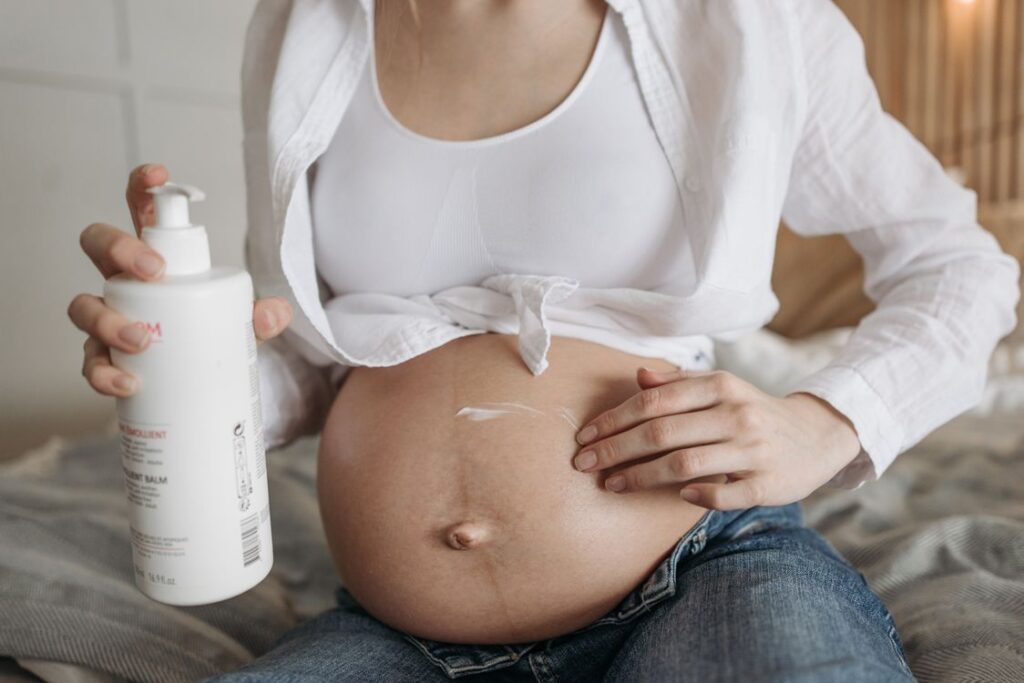
Pregnancy produces dramatic hormonal shifts that affect skin in multiple ways — some predictable, some unexpected. Understanding common pregnancy skin conditions helps New Braunfels patients distinguish normal physiologic changes from conditions that benefit from dermatologic evaluation and treatment. It also helps navigate the important question of which skincare ingredients and treatments are safe during pregnancy and breastfeeding.
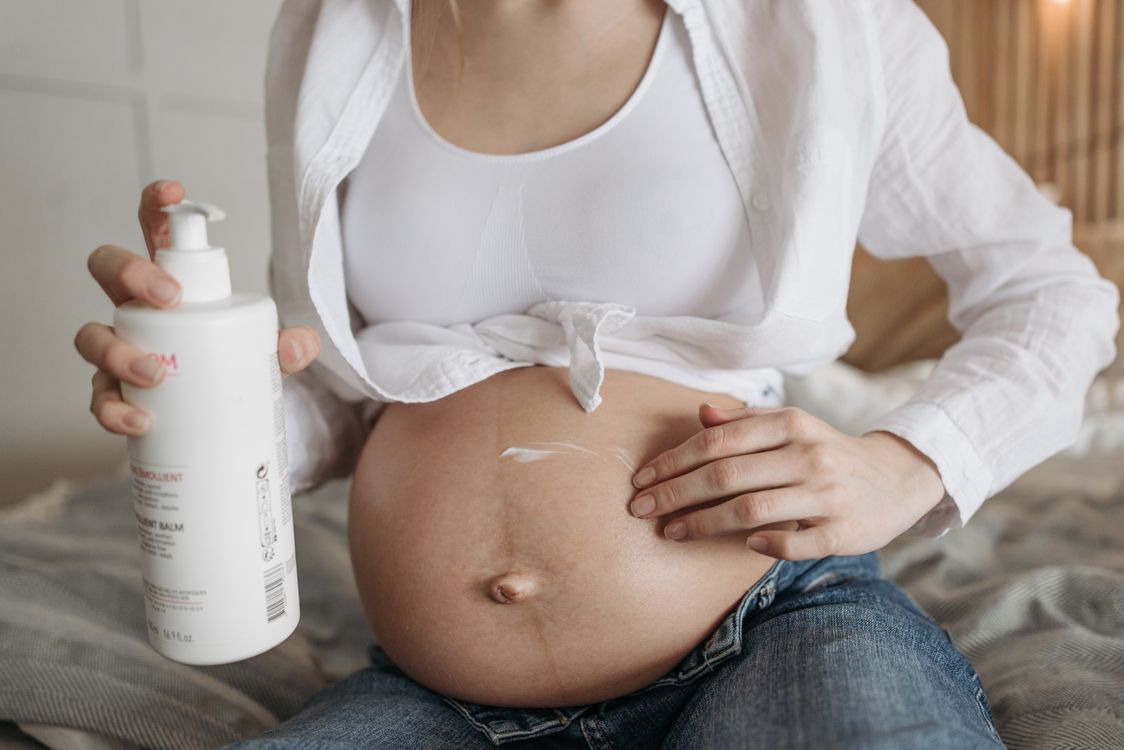
Melasma (The “Pregnancy Mask”)
Melasma is one of the most common pregnancy-related skin changes, affecting a significant proportion of pregnant women — with higher rates in individuals with Fitzpatrick skin types III–VI and those with a family history of the condition. It presents as symmetric, irregular brown to gray-brown patches on the cheeks, forehead, upper lip, and bridge of the nose, typically developing in the second or third trimester as estrogen and progesterone levels peak.
As the American Academy of Dermatology notes, melasma may fade or go away after delivery or after stopping birth control pills, but it can return, and sun exposure can make it darker or bring it back. A review by Sheth and Pandya (J Am Acad Dermatol, 2011) establishes melasma’s hormonal and UV co-triggers and its chronic, recurrent nature.
During pregnancy, most standard melasma treatments (hydroquinone, tretinoin) are deferred due to limited safety data. Strict broad-spectrum SPF 50+ sunscreen — preferably mineral (zinc oxide or titanium dioxide) with iron oxide for visible light protection — is the primary management strategy during pregnancy. Azelaic acid (at appropriate concentrations) is among the limited treatment options generally considered acceptable during pregnancy based on current evidence. After delivery and completion of breastfeeding, the full range of melasma treatment options becomes available.
PUPPP (Pruritic Urticarial Papules and Plaques of Pregnancy)
PUPPP is an inflammatory dermatosis specific to pregnancy, affecting approximately 1 in 160–300 pregnancies, with higher rates in first pregnancies and multiple gestations (twins, triplets). It typically begins in the third trimester as intensely pruritic erythematous papules and urticarial plaques that originate within abdominal striae and can spread to the chest, buttocks, and thighs — characteristically sparing the periumbilical area and face.
Importantly, PUPPP carries no fetal risk — it is a maternal condition without obstetric consequences. A retrospective study by Ambros-Rudolph et al. (J Am Acad Dermatol, 2006) is a key reference on the clinical features and classification of PUPPP and the other pregnancy-specific dermatoses, and PUPPP is not associated with adverse fetal outcomes. PUPPP resolves within days to weeks of delivery in virtually all cases.
Management focuses on symptom relief: cool compresses, fragrance-free emollients, and mid-potency topical corticosteroids (considered safe in pregnancy for limited-area use) provide the most reliable itch relief. Oral antihistamines may help with sleep disruption from pruritus. Severe cases may require short oral corticosteroid courses under obstetric guidance.
Linea Nigra and Generalized Hyperpigmentation
Linea nigra — the dark vertical midline stripe from pubic symphysis to umbilicus and sometimes extending to the xiphoid — develops in the majority of pregnant women as increased melanocyte-stimulating hormone (MSH) drives diffuse melanin production. It typically fades over months following delivery without treatment. Similarly, existing freckles, moles, and areolae may darken during pregnancy due to the same hormonal mechanism.
While mole darkening during pregnancy is common and usually hormonal in origin, any mole demonstrating rapid growth, significant color change, irregular borders, bleeding, or itching warrants dermatologic evaluation promptly. Melanoma can occur during pregnancy, and a suspicious mole should not be put off simply because of gestational status. See the AAD melanoma overview for warning signs.
Acne During Pregnancy
Pregnancy acne is unpredictable — hormonal fluctuations can cause flares in patients with previously clear skin, worsen preexisting acne, or occasionally improve inflammatory acne. Treatment options during pregnancy are significantly limited:
Generally considered compatible with pregnancy (discuss with your dermatologist): topical azelaic acid; topical erythromycin (short-term use); benzoyl peroxide (limited-area use — systemic absorption is low, but a benefit-risk discussion with your provider is appropriate).
Contraindicated or avoid during pregnancy: isotretinoin (Accutane) is strictly contraindicated during pregnancy and requires enrollment in the iPLEDGE risk management program specifically to prevent pregnancy exposure. Topical retinoids are typically avoided during pregnancy due to limited safety data and theoretical systemic absorption concerns. Most oral antibiotics for acne require individual assessment — oral erythromycin is generally acceptable; tetracyclines (including doxycycline and minocycline) are avoided during pregnancy.
Your dermatologist can help identify which options are appropriate for your specific acne severity and pregnancy stage.
Eczema, Rosacea, and Psoriasis Flares
Chronic inflammatory skin conditions may behave unpredictably during pregnancy. Eczema often worsens in the first half of pregnancy and may improve in the second half; psoriasis shows variable patterns and in some patients improves due to pregnancy-related immune shifts. Rosacea may flare due to increased vascular reactivity. Pregnancy-safe topical approaches (low-potency corticosteroids for eczema, azelaic acid for rosacea) exist for most conditions, though systemic treatments require careful review for pregnancy compatibility.
Postpartum Skin Recovery
Most pregnancy-related pigmentation changes fade within weeks to months of delivery. After delivery and completion of breastfeeding, the full range of dermatologic treatments becomes available: prescription retinoids and hydroquinone for residual melasma, chemical peels for pigmentation and texture, and microneedling for stretch mark improvement. Early postpartum treatment of recently formed stretch marks (still red/purple in appearance) produces better results than treating mature, white striae — making a postpartum dermatology consultation worthwhile for patients with significant stretch marks.
References
- Sheth VM, Pandya AG. Melasma: a comprehensive update. J Am Acad Dermatol. 2011;65(4):689–697. PubMed
- Ambros-Rudolph CM, et al. The specific dermatoses of pregnancy revisited and reclassified. J Am Acad Dermatol. 2006;54(3):395–404. PubMed
- American Academy of Dermatology. Melasma overview. AAD.org
- American Academy of Dermatology. Melanoma overview. AAD.org
Skin changes during pregnancy can range from purely cosmetic to occasionally significant — and navigating safe treatment options requires a dermatologist familiar with both. The board-certified dermatologists at Elect Dermatology in New Braunfels provide pregnancy-safe evaluation and management for melasma, PUPPP, acne, and other dermatologic changes — and will help you plan postpartum treatment for conditions that are best addressed after delivery. Call (833) 353-2875 to schedule at 2154 Gabriels Pl, Ste 103, New Braunfels, TX 78130.
Reviewed by Dr. Stahr
Schedule Your Dermatology Appointment
Our board certified dermatologists in New Braunfels are here to help. New patients are always welcome.