Back-to-School Skin Health for Kids and Teens in New Braunfels, TX
Back-to-school season in New Braunfels brings more than new backpacks and class schedules. It also brings a predictable surge in pediatric and adolescent skin concerns that parents often notice as the school year ramps up: acne flares in teens triggered by stress and sweaty helmets; eczema worsening in younger children exposed to new soaps and school supplies; head lice spreading through classrooms; and infectious conditions like molluscum, ringworm, and impetigo cycling through the younger grades. There’s also the ongoing sun damage that accumulates every school year in Texas, where the UV index remains clinically significant well into fall.
If your child has acne, eczema, warts, molluscum, or rashes, early dermatology care can prevent spread and scarring. Elect Dermatology serves families throughout New Braunfels, Canyon Lake, Seguin, and San Marcos, and at the start of each school year we see a consistent pattern of conditions that are entirely preventable or treatable when addressed before the year begins.
Back-to-School Acne Treatment in New Braunfels
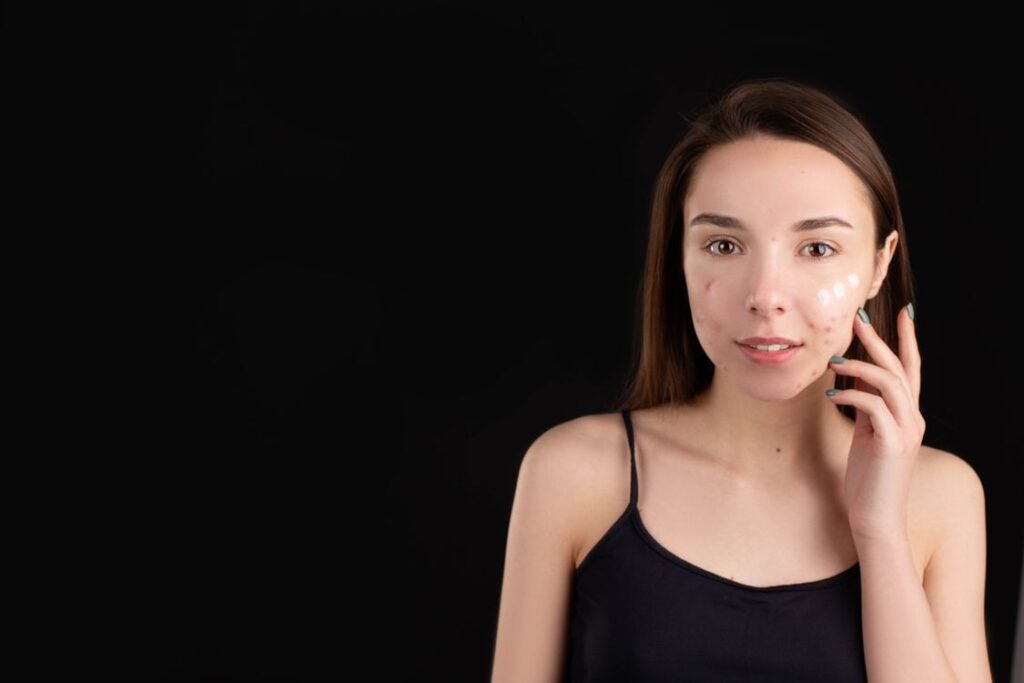
For many teens, the start of a new school year coincides with an acne flare. Several factors converge in August and September that make this a high-risk period for breakouts:
Stress: Elevated cortisol during back-to-school transitions indirectly contributes to acne by promoting sebum production via androgen signaling and triggering inflammation — both key drivers of acne development.
Routine disruption: Changed sleep schedules, skipped skincare steps, and altered dietary habits during the summer-to-school transition disrupt the consistency that skin-care routines depend on.
New environments and equipment: Shared gym equipment, sports uniforms, and helmets (football, hockey, cycling) create frictional and occlusive acne (acne mechanica) on the face, back, chest, and shoulders. This type of acne responds well to targeted treatment but requires identification of the trigger.
Mask-wearing in some settings: Cloth and surgical masks trap heat, humidity, and bacteria against facial skin — contributing to “maskne” in settings where masks are still used.
Over-the-counter products containing benzoyl peroxide and salicylic acid are appropriate for mild acne. For moderate or severe acne — or any acne that hasn’t responded to OTC products after 8–12 weeks — a dermatology evaluation is warranted. Prescription options including topical retinoids, oral antibiotics, oral medications, and hormonal therapy (for female patients) significantly outperform over-the-counter alternatives. Early treatment also prevents the post-inflammatory hyperpigmentation and scarring that can persist long after active acne resolves.
Pediatric Eczema Flares During the School Year
Children with atopic dermatitis frequently experience worsening symptoms at the start of school. Multiple factors converge in the August–September transition:
New detergents and soaps: School restrooms use institutional soaps that are often harsher than home products — disrupting the already-compromised skin barrier in eczema-prone children.
School supplies: Rubber in erasers and markers, fragranced products, arts and crafts materials, and some adhesives can trigger contact dermatitis in children with sensitized skin.
Emotional stress: The social and academic pressures of a new school year are a well-established eczema exacerbator.
Air conditioning: Central Texas schools run heavy AC through August and September — cold, dry air is a well-recognized eczema trigger.
Environmental allergies: Fall marks the beginning of ragweed season in Texas — a major aeroallergen that worsens eczema in atopic patients.
Practical management: Apply ceramide-based moisturizers (CeraVe, Vanicream) immediately after bathing while skin is slightly damp. Send a gentle, fragrance-free moisturizer with your child for midday use if needed. Pack a spare set of clothing if your child reacts to school laundry products. If eczema is significantly impacting sleep, school performance, or quality of life, a prescription treatment plan — including newer targeted biologics like dupilumab for eligible pediatric patients — may be appropriate. Read more about eczema flare-ups in Central Texas.
Contagious Skin Conditions in Schools: What to Watch For
Impetigo: A highly contagious bacterial skin infection (most commonly Staphylococcus aureus, occasionally Streptococcus pyogenes) that presents as honey-crusted sores around the mouth, nose, or areas of skin trauma. Requires topical or oral antibiotics. The CDC recommends children with impetigo may return to school 24 hours after starting antibiotic treatment — not simply “whenever they finish the course.”
Molluscum Contagiosum: A viral skin infection producing small, dome-shaped, flesh-colored bumps with a central dimple. Spreads easily through direct skin contact and shared items (towels, gym equipment). Very common in school-age children. While generally self-limited — resolving over months to years without treatment — treatment is appropriate when lesions are causing discomfort, spreading rapidly, or affecting a child’s social wellbeing. Treatment is not medically mandatory.
Ringworm (Tinea): A fungal infection — not caused by a worm — producing circular, scaly rings on the body (tinea corporis), itchy patches on the scalp (tinea capitis), or athlete’s foot (tinea pedis). Spreads through contact with infected persons, animals, or contaminated surfaces. Treated with topical or oral antifungals depending on location and extent.
Head Lice (Pediculosis capitis): An extremely common school outbreak concern, particularly in early elementary grades. Causes intense scalp itching, identified by finding adult lice or nits (eggs) on hair shafts. OTC permethrin is first-line — but permethrin resistance varies regionally. Manual combing with a fine-toothed comb is a standard adjunct to chemical treatment. Prescription options are available for resistant cases. Parents should check all household members and wash bedding and clothing in hot water.
Warts (Verruca): HPV-caused warts spread through direct skin contact in schools, locker rooms, and pool areas. Common as plantar warts (feet) and hand warts in school-age children. Treatment options at Elect Dermatology include cryotherapy, topical acids, and other in-office wart treatments.
School-year skin issues spread quickly in classrooms. Scheduling a dermatology visit before school starts can prevent infections, control acne, and reduce eczema flares. Elect Dermatology offers pediatric and adolescent appointments in New Braunfels — call (833) 353-2875 or request a visit online.
Sun Protection in Texas: A Year-Round School-Year Issue
Texas sun protection matters not just during summer camp — it matters all school year. Children in New Braunfels spend recess, PE classes, sports practices, and outdoor events under a UV index that is clinically significant from March through November. The American Academy of Dermatology recommends SPF 30+ broad-spectrum sunscreen applied 15–30 minutes before outdoor exposure and reapplied every 2 hours.
Practical school-year sun protection includes UPF 50+ clothing or sun-protective layers for outdoor activities, wide-brim hats for recess, and mineral sunscreen (zinc oxide, titanium dioxide) in small tubes children can carry and self-apply. UV damage accumulated during childhood and adolescence is the single most significant predictor of lifetime skin cancer risk — starting protection early is the most impactful intervention available. For a deeper guide, see our article on sun protection in Texas.
When to See a Pediatric Dermatologist in New Braunfels Before School Starts
A late-summer dermatology visit for your child or teen is worth scheduling if any of the following apply:
- Acne is moderate or severe, or hasn’t responded to OTC products after 8–12 weeks
- Eczema flares are significantly impacting sleep, school performance, or quality of life
- You’ve noticed a new mole, changing mole, or unusual skin growth
- Your child has had recurrent impetigo, molluscum, or wart outbreaks
- A skin condition is causing social anxiety or affecting self-esteem
- Your child is starting contact sports or sharing equipment with teammates
Elect Dermatology sees patients of all ages — from newborns with skin concerns to teenagers managing acne — and treats pediatric dermatology conditions with age-appropriate, evidence-based protocols. Getting ahead of skin conditions before school starts means fewer missed school days and fewer disruptions to your child’s year.
Frequently Asked Questions: Pediatric Dermatology in New Braunfels
Q: At what age should children start seeing a dermatologist?
There is no minimum age. Any skin condition in an infant, child, or teen that is affecting quality of life, not responding to primary care management, or raising parental concern warrants a dermatology evaluation. Earlier is generally better.
Q: Is acne treatment safe for teenagers?
The full range of topical and oral acne treatments has been studied in adolescent populations and most are safe when appropriately prescribed and monitored. Isotretinoin — the most potent acne medication available — is FDA-approved for adolescents and is prescribed with specific safety monitoring protocols. The risks of untreated acne and its scarring often outweigh the risks of appropriate treatment.
Q: How do I know if my child’s rash is eczema, ringworm, or contact dermatitis?
These conditions can look similar but have different causes and treatments. A physician examination — and sometimes a skin scraping or patch test — is the most reliable way to distinguish them and ensure correct treatment. Misidentification leads to treatment failures and delayed resolution.
Q: My child keeps getting molluscum. What should we do?
Molluscum recurs when a child continues to be exposed to the source. Treatment of active lesions plus identifying contact sources (shared towels, swim equipment, skin-to-skin contact in sports) can reduce recurrence. In-office treatments at Elect Dermatology can clear lesions faster than watchful waiting for children experiencing discomfort or spread.
References
- American Academy of Dermatology. Acne: Overview.
- Zaenglein AL, et al. Guidelines of care for the management of acne vulgaris. J Am Acad Dermatol. 2024 (updated guidelines). AAD guidelines.
- Eichenfield LF, et al. Guidelines of care for the management of atopic dermatitis. J Am Acad Dermatol. 2014;71(1):116–132. PubMed.
- American Academy of Dermatology. Head lice: Overview.
- CDC. Impetigo: Prevention and School Exclusion Guidance.
- American Academy of Dermatology. Sunscreen and children: AAD recommendations.
Schedule a Back-to-School Dermatology Appointment in New Braunfels
Don’t let a skin condition hold your child back this school year. Whether your child is dealing with acne, eczema flares, a suspicious spot, or a rash that won’t clear up, the board-certified dermatologists at Elect Dermatology are here to help — and appointments are available now, before school starts.
Schedule with Dr. Hockley or Dr. Stahr. Call (833) 353-2875 or visit us at 2154 Gabriels Pl, Ste 103, New Braunfels, TX 78130. We serve families from New Braunfels, Canyon Lake, San Marcos, and Seguin.
Schedule Your Dermatology Appointment
Our board certified dermatologists in New Braunfels are here to help. New patients are always welcome.