Alopecia Areata: Causes, Symptoms, and Treatment Options in New Braunfels, TX
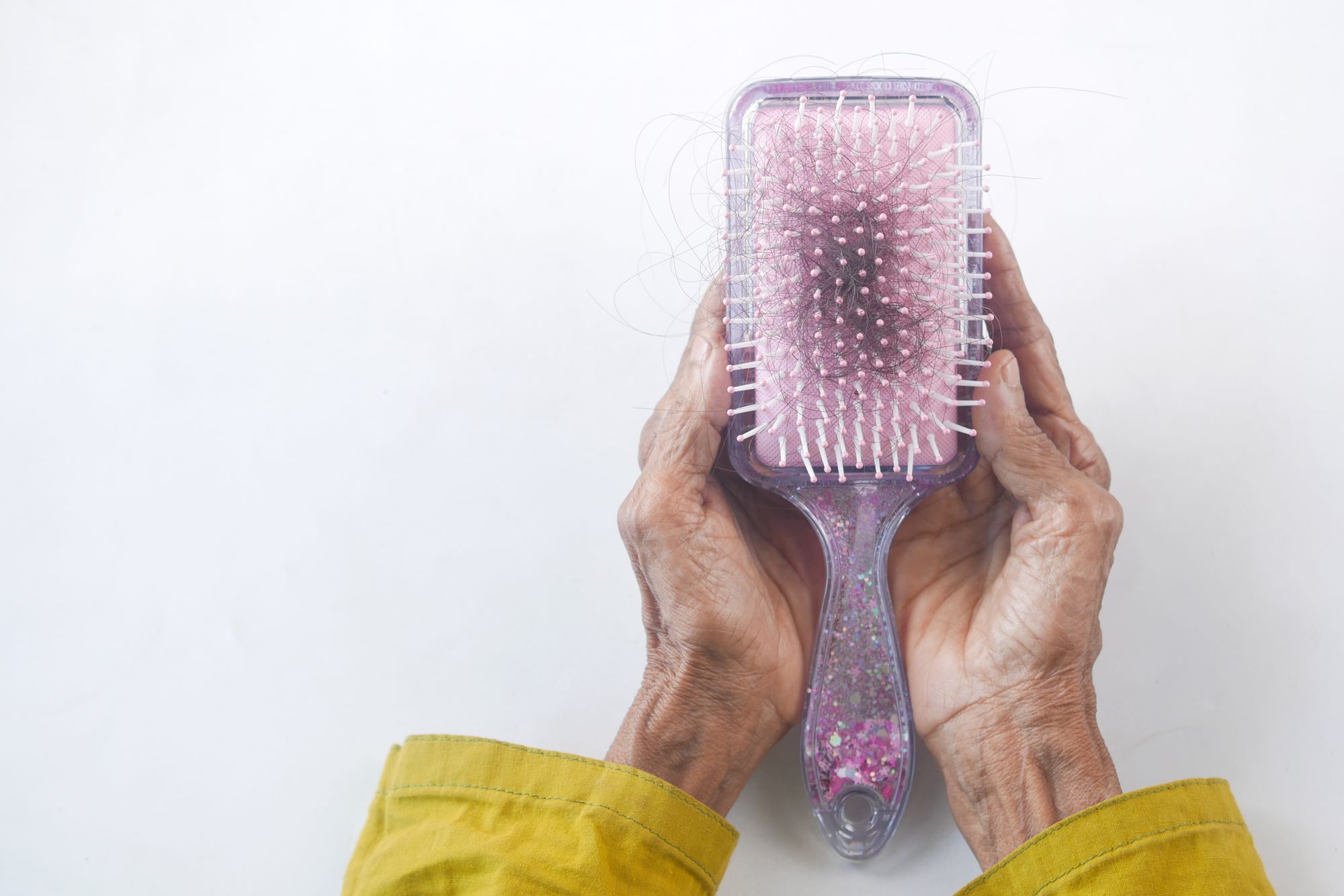
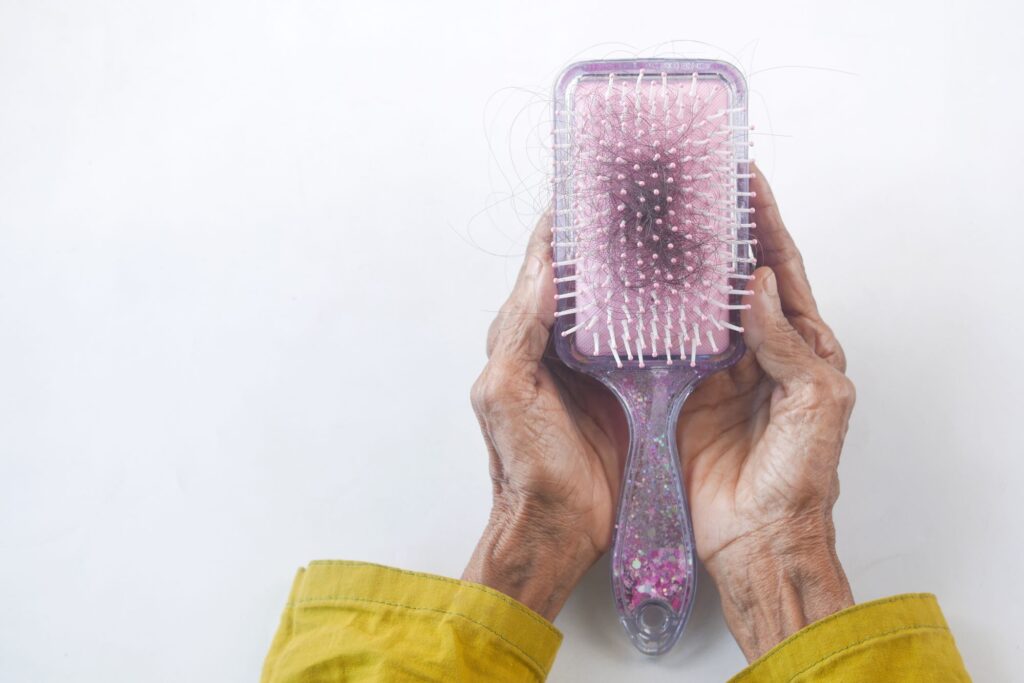
Alopecia areata treatment in New Braunfels, TX is available at Elect Dermatology for patients experiencing sudden, patchy hair loss that seems to appear without warning. One morning there are no symptoms; within days or weeks, coin-sized bald patches appear on the scalp, beard, eyebrows, or elsewhere. Alopecia areata is an autoimmune condition — the immune system mistakenly targets hair follicles — and while it is not medically dangerous, its psychological impact can be profound. The good news: effective, FDA-approved treatments now exist that were simply not available a decade ago, including the first systemic therapy specifically approved for this condition.
Patients in New Braunfels, San Marcos, Seguin, and surrounding communities experiencing sudden hair loss deserve a thorough evaluation by a board-certified dermatologist — not a wait-and-see approach. Early diagnosis and appropriate treatment significantly improve regrowth outcomes.
What Is Alopecia Areata? (Autoimmune Patchy Hair Loss Explained)
Alopecia areata (AA) is a chronic autoimmune disorder in which the body’s T-cells attack the hair follicle, disrupting the normal hair growth cycle. Critically, the follicles themselves are not destroyed — which is precisely why hair regrowth is possible even after significant loss. The condition affects approximately 2% of the global population at some point in their lifetime, according to the National Alopecia Areata Foundation. Men and women are affected equally, and AA can occur at any age, though onset most commonly occurs in childhood or early adulthood.
Unlike androgenetic alopecia (male or female pattern hair loss), which involves gradual thinning driven by hormonal and genetic factors, alopecia areata produces sudden, non-scarring, patchy hair loss driven by immune dysregulation. The scalp is most commonly affected, but the condition can involve any hair-bearing area — including the beard, eyebrows, eyelashes, and body hair.
Types of Alopecia Areata
Patchy alopecia areata is the most common presentation: one or more round or oval bald patches on the scalp. But the condition exists across a severity spectrum that shapes both prognosis and treatment approach:
- Patchy alopecia areata: One or more discrete bald patches. Most common type; best prognosis for spontaneous or treatment-induced regrowth.
- Alopecia totalis: Complete loss of all scalp hair. More challenging to treat.
- Alopecia universalis: Complete loss of all scalp and body hair — the most severe form. JAK inhibitors have changed outcomes meaningfully for this group.
- Ophiasis alopecia areata: Band-like hair loss following the sides and back of the scalp — a pattern historically associated with poorer treatment response.
- Diffuse alopecia areata: Sudden, widespread thinning across the entire scalp rather than discrete patches. Can mimic telogen effluvium or androgenetic alopecia and requires careful clinical and sometimes histopathologic differentiation.
What Causes Alopecia Areata? Risk Factors and Triggers
The direct cause of alopecia areata is immune system misdirection: CD8+ T-lymphocytes infiltrate the hair follicle bulb and disrupt normal follicle cycling. Research published in Nature Medicine identified JAK-STAT signaling pathways as central to this immune attack — a discovery that led directly to the JAK inhibitor treatment class now FDA-approved for AA.
Genetic susceptibility plays a meaningful role. Having a first-degree relative with alopecia areata increases individual risk, and AA is associated with a cluster of other autoimmune conditions including Hashimoto’s thyroiditis, Graves’ disease, vitiligo, and type 1 diabetes. Patients with Down syndrome carry a significantly elevated risk.
Environmental triggers — acute illness, physiological stress, hormonal shifts, and major life events — are frequently reported as preceding a first episode or triggering a relapse, though establishing definitive causation is difficult. Stress does not cause alopecia areata in people without underlying genetic susceptibility, but it can precipitate episodes in those who are predisposed.
Symptoms and Diagnosis of Alopecia Areata
The hallmark finding is sudden patchy hair loss, typically presenting as smooth, round or oval bald areas measuring 1–4 cm in diameter. Affected patches show no scaling, redness, or scarring at the skin surface. Several clinical signs help support the diagnosis:
- Exclamation point hairs: Short, broken hairs that are narrower at the base than the tip, found at active patch margins. Highly suggestive of alopecia areata.
- Nail changes: Fine pitting, ridging, or trachyonychia (rough, sandpaper-like nails) occurs in approximately 10–20% of patients and can help support the diagnosis.
- Positive hair pull test: Hairs at the patch margin release easily with gentle traction during active disease.
Diagnosis is typically clinical. In atypical presentations or when other diagnoses cannot be excluded, scalp biopsy and/or dermoscopy may be performed. Blood work to screen for associated thyroid disease and other autoimmune conditions is commonly ordered at first presentation at Elect Dermatology.
Alopecia Areata Treatment Options in New Braunfels, TX
There is currently no cure for alopecia areata, but multiple effective treatments exist — and the landscape has changed significantly with the introduction of JAK inhibitors. Treatment selection at Elect Dermatology is individualized based on extent of disease, patient age, rate of progression, and prior treatment history.
Intralesional Corticosteroid Injections
This remains the first-line treatment for limited patchy alopecia areata affecting less than 50% of the scalp. Triamcinolone acetonide is injected directly into affected patches at 4–6 week intervals, locally suppressing the immune attack on follicles. Response rates are generally good for limited, stable disease. Temporary local skin atrophy is a possible side effect with repeated injections. Regrowth timeline: typically visible within 4–8 weeks of treatment initiation.
JAK Inhibitors: A Treatment Breakthrough for Severe Alopecia Areata
The most significant development in alopecia areata treatment in recent years has been the approval of oral JAK (Janus kinase) inhibitors for severe AA. Baricitinib (Olumiant) received FDA approval for severe alopecia areata in adults in June 2022 — the first systemic drug specifically approved for this condition. Ritlecitinib (Litfulo) followed in 2023 with approval for patients 12 years and older.
JAK inhibitors block the JAK-STAT signaling pathway driving the autoimmune attack on follicles. Phase 3 clinical trial data published in the New England Journal of Medicine showed that 35–40% of baricitinib-treated patients achieved at least 80% scalp hair coverage — a response rate that had not been achievable with prior systemic therapies. Regrowth timeline: significant regrowth often visible within 12–24 weeks; full response assessment at 36–52 weeks.
These medications require baseline evaluation and ongoing monitoring for infection risk, blood cell changes, and lipid levels. Patients at Elect Dermatology being considered for JAK inhibitors receive comprehensive pre-treatment workup and follow-up per current clinical guidelines.
Topical Treatments
Topical corticosteroids, topical minoxidil (to promote follicular activity), and topical immunotherapy (diphenylcyclopropenone, or DPCP — a physician-applied sensitizer) all have supporting evidence in alopecia areata management. Topical minoxidil is frequently used as an adjunct to primary therapies. Topical ruxolitinib cream (a JAK inhibitor) has also shown promising results in clinical trials for limited disease.
Oral Minoxidil
Low-dose oral minoxidil (typically 0.625–2.5 mg daily as a starting dose) is increasingly used off-label as an adjunct for alopecia areata, particularly in patients who are not candidates for or not responding to other treatments. It promotes follicular growth but does not address the underlying autoimmune process directly.
Systemic Corticosteroids
Oral or intramuscular corticosteroids can induce temporary regrowth but do not prevent recurrence and carry significant systemic side effects with prolonged use. Their role in AA is generally limited to short-term use to halt rapid progression.
Managing Expectations: Regrowth, Relapse, and the Chronic Nature of AA
Spontaneous regrowth occurs in many patients with limited patchy AA — particularly those experiencing a first episode, with minimal disease extent, and without a family history of extensive hair loss. For this reason, careful monitoring without immediate treatment initiation is sometimes appropriate in mild, very recent-onset cases.
However, alopecia areata is chronic and relapsing for most patients. Even those who achieve full regrowth with treatment can experience recurrence when therapy is discontinued or following a new trigger. Patients with alopecia totalis, alopecia universalis, ophiasis pattern, or long-standing disease have a less favorable prognosis for complete regrowth — though outcomes have improved meaningfully since the introduction of JAK inhibitors.
The psychological impact of alopecia areata deserves explicit acknowledgment in clinical care. Research published in the Journal of the American Academy of Dermatology has documented significantly elevated rates of anxiety and depression in AA patients compared to the general population. Addressing the psychological dimensions of hair loss — including referral to counseling or support resources when appropriate — is part of comprehensive care at Elect Dermatology.
When to See a Dermatologist for Hair Loss
Many patients with alopecia areata initially see their primary care physician, who may not have access to the full range of treatments now available — including JAK inhibitor prescribing, which requires specialist familiarity with monitoring protocols. See a board-certified dermatologist promptly if you notice:
- Sudden appearance of smooth, round bald patches on the scalp, beard, eyebrows, or eyelashes
- Rapid progression — multiple patches appearing within days to weeks
- Diffuse shedding that seems sudden rather than gradual
- Complete or near-complete scalp hair loss
- Hair loss accompanied by nail changes (pitting, ridging, roughness)
- Any hair loss that does not respond to initial treatment within 3 months
Earlier treatment initiation is associated with better regrowth outcomes, particularly for JAK inhibitor therapy. Don’t wait to see if it resolves on its own — schedule an evaluation.
Frequently Asked Questions: Alopecia Areata
Q: Will my hair grow back from alopecia areata?
Many patients — particularly those with limited patchy disease and a first episode — experience regrowth. JAK inhibitors have significantly improved outcomes for severe disease (totalis/universalis). Prognosis is most uncertain for longstanding, extensive disease.
Q: Is alopecia areata permanent?
The follicles are not destroyed in alopecia areata, so regrowth is biologically possible even after years of hair loss. Whether a given patient achieves complete, sustained regrowth depends on disease severity, duration, treatment, and individual factors.
Q: Is alopecia areata contagious?
No. Alopecia areata is an autoimmune condition — not infectious, not contagious, and entirely unrelated to hygiene or scalp health.
Q: What triggers alopecia areata flares?
Physiological stress, acute illness, and major life events are commonly reported triggers in genetically predisposed individuals. However, alopecia areata can flare without any identifiable trigger.
Q: Can alopecia areata spread to other people?
No. It cannot spread to others. Within the same individual, it can progress to more extensive disease (totalis, universalis), though this is not inevitable.
Q: What treatments are available for children with alopecia areata?
Intralesional corticosteroids, topical treatments, and — since 2023 — ritlecitinib (FDA-approved for ages 12 and older) are available options. Treatment decisions in pediatric patients require careful weighing of disease severity, psychological impact, and potential side effects, and are made on an individualized basis.
Schedule a Hair Loss Evaluation at Elect Dermatology in New Braunfels
Experiencing sudden patchy hair loss? Early treatment improves regrowth outcomes — don’t wait. Elect Dermatology in New Braunfels offers the complete spectrum of alopecia areata treatments: intralesional corticosteroid injections, topical therapies, and FDA-approved JAK inhibitors (baricitinib and ritlecitinib) for adults and adolescents with severe disease. Board-certified dermatology care for adults and children.
Schedule a hair loss evaluation with Dr. Hockley or Dr. Stahr today. Call (833) 353-2875 or visit us at 2154 Gabriels Pl, Ste 103, New Braunfels, TX 78130. We serve patients from New Braunfels, San Marcos, Seguin, Canyon Lake, and surrounding communities. Book your appointment here.
References
- National Alopecia Areata Foundation. About Alopecia Areata. naaf.org
- King B, et al. Two Phase 3 Trials of Baricitinib for Alopecia Areata. N Engl J Med. 2022;386(18):1687–1699. PubMed
- King B, et al. Phase 2 randomized, dose-ranging trial of CTP-543, a selective Janus kinase inhibitor, in moderate-to-severe alopecia areata. J Am Acad Dermatol. 2022. PubMed
- Xing L, et al. Alopecia areata is driven by cytotoxic T lymphocytes and is reversed by JAK inhibition. Nat Med. 2014;20(9):1043–1049. PubMed
- Colón EA, et al. Lifetime prevalence of psychiatric disorders in patients with alopecia areata. Compr Psychiatry. 1991. PubMed
Related Reading
Schedule Your Dermatology Appointment
Our board certified dermatologists in New Braunfels are here to help. New patients are always welcome.