
When it comes to skincare treatments, two of the most popular options for addressing various skin concerns are chemical peels and microneedling. Both of these treatments are effective for improving skin texture, tone, and appearance, but they work in different ways. Deciding which treatment is best for you can depend on a variety of factors, including your skin type, concerns, and goals.
At Elect Dermatology in New Braunfels, we offer both of these treatments to help you achieve smoother, healthier skin, but understanding their differences can help you make an informed decision about your skincare journey.
Here’s the benefits, differences, and ideal candidates for chemical peels and microneedling, so you can choose the best option for your skincare needs.
What Are Chemical Peels?
A chemical peel is a skin treatment that involves the application of a chemical solution to the skin, which causes the outer layers to exfoliate and eventually peel off. The goal is to remove damaged or dead skin cells, revealing fresher, healthier skin underneath.
Depending on the strength of the chemical peel, the treatment can target surface-level skin concerns or deeper skin layers.
There are three main types of chemical peels:
- Superficial Peels: These are the mildest form of chemical peel and are used to treat superficial skin concerns like fine lines, uneven skin tone, and slight discoloration.
- Medium Peels: These peels penetrate further into the skin to address more moderate issues, such as sun damage, acne scars, and age spots.
- Deep Peels: The strongest form of chemical peel, deep peels are used for more severe skin issues like deep wrinkles, advanced sun damage, and scarring.
Benefits of Chemical Peels
Chemical peels offer a range of benefits depending on the type and strength of the peel. Some of the common benefits include:
- Improved skin texture: Chemical peels help exfoliate the skin, removing rough patches and promoting smoother skin.
- Even skin tone: A chemical peel can help reduce hyperpigmentation, sun spots, and age spots, leading to a more even complexion.
- Acne and acne scarring: Superficial peels can help reduce the appearance of acne, blackheads, and acne scars by unclogging pores and stimulating collagen production.
- Anti-aging effects: Chemical peels can reduce the appearance of fine lines, wrinkles, and sun damage, giving the skin a more youthful appearance.
What Is Microneedling?
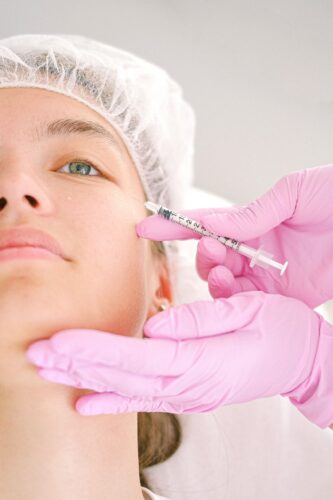
Microneedling, also known as collagen induction therapy, is a minimally invasive procedure that involves the use of a small device with fine needles that create micro-injuries in the skin’s surface.
These tiny punctures stimulate the body’s natural healing process, leading to increased collagen and elastin production. Collagen is a key protein that gives skin its structure and elasticity, so boosting its production can result in smoother, firmer, and more youthful-looking skin.
Microneedling is particularly effective for improving skin texture and tone, reducing the appearance of fine lines and wrinkles, and improving the look of acne scars.
It can be performed on various areas of the body, including the face, neck, and hands.
Benefits of Microneedling
Microneedling offers numerous benefits for those looking to enhance their skin’s appearance. Some of the key benefits include:
- Improved skin texture and tone: Microneedling helps to smooth out rough skin and improve overall texture by encouraging collagen production.
- Reduction of fine lines and wrinkles: As collagen is stimulated, the skin becomes firmer and more resilient, reducing the appearance of fine lines and wrinkles.
- Scar reduction: Microneedling is particularly effective for reducing the appearance of acne scars, stretch marks, and other types of scarring by encouraging the skin to regenerate.
- Minimal downtime: Microneedling typically involves less downtime compared to more invasive treatments like deep chemical peels or laser resurfacing.
Key Differences Between Chemical Peels and Microneedling
While both treatments have similarities, such as improving skin texture and tone, they have distinct differences. Understanding these differences can help you choose the treatment that aligns with your needs.
How They Work
- Chemical Peels: Chemical peels use exfoliating solutions to chemically remove the outer layers of the skin. The depth of the peel depends on the strength of the chemical used, which can range from mild surface exfoliation to deep resurfacing.
- Microneedling: Microneedling uses tiny needles to create controlled micro-injuries in the skin, stimulating collagen and elastin production. It does not remove layers of the skin like chemical peels but instead promotes skin regeneration from within.
Target Skin Concerns
- Chemical Peels: Ideal for targeting issues like uneven skin tone, pigmentation, age spots, and surface-level acne scars. They also provide anti-aging benefits by reducing fine lines and wrinkles.
- Microneedling: Most effective for improving skin texture, reducing scars (including acne scars and stretch marks), and tightening loose skin. Microneedling is great for overall rejuvenation and reducing the appearance of fine lines.
Recovery Time
- Chemical Peels: Depending on the depth of the peel, recovery time can vary. Superficial peels require little downtime, while medium to deep peels may involve several days of peeling and redness as the skin heals.
- Microneedling: After microneedling, the skin may appear red and slightly swollen for a few days, but there is minimal downtime, and most people can return to normal activities within 24-48 hours.
Suitability for Different Skin Types
- Chemical Peels: Superficial chemical peels are suitable for most skin types, but deeper peels may not be suitable for darker skin tones due to the risk of hyperpigmentation.
- Microneedling: Microneedling is safe for most skin types and tones, making it a great option for a wide variety of people. It can be used on sensitive areas like around the eyes and mouth as well.
Which Treatment Is Best for You?
The best treatment for you depends on your specific skin concerns, goals, and preferences. Here’s a quick guide to help you choose:
- If you’re looking to improve skin texture, reduce fine lines, or treat superficial acne scars, chemical peels can be a great option.
- If your main concern is deep acne scarring, stretch marks, or skin tightening, microneedling might be more suitable for you.
- If you’re seeking minimal downtime and want a treatment that’s safe for a variety of skin types, microneedling is likely your best choice.
- If you want to address pigmentation issues or sun damage, chemical peels can be highly effective.
Both chemical peels and microneedling offer impressive benefits for those looking to rejuvenate their skin, and each treatment has its unique advantages. If you’re in the New Braunfels area and are unsure which treatment is best for you, call the professionals at Elect Dermatology at 833-353-2875. We can help guide you toward the treatment that will give you the best results based on your skin type and individual needs.
Schedule Your Dermatology Appointment
Our board certified dermatologists in New Braunfels are here to help. New patients are always welcome.