
Skin cancer is one of the most common forms of cancer in the United States, affecting millions of individuals each year.
In cities like New Braunfels, TX, where outdoor activities are a way of life, understanding the risks, prevention strategies, detection methods, and treatment options for skin cancer is crucial.
At Elect Dermatology, we are committed to educating our community about skin health and providing the best care for those at risk.
Skin Cancer
Skin cancer primarily develops in the outer layer of the skin, known as the epidermis. It occurs when skin cells begin to grow uncontrollably, often due to damage from ultraviolet (UV) radiation.
The three main types of skin cancer are:
- Basal Cell Carcinoma (BCC): The most common type, BCC often appears as a small, shiny bump or a pink growth. It rarely spreads to other parts of the body but can cause significant local damage.
- Squamous Cell Carcinoma (SCC): SCC can present as a firm, red nodule or a flat sore with a scaly crust. While it is more aggressive than BCC, it is still highly treatable when caught early.
- Melanoma: The most serious form of skin cancer, melanoma can spread to other organs if not detected and treated promptly. It usually appears as a new or changing mole, characterized by asymmetry, irregular borders, or multiple colors.
Prevention: Protecting Your Skin
Preventing skin cancer starts with understanding how to protect your skin from UV exposure. Here are some effective strategies:
- Sun Protection
Using sunscreen is one of the most effective ways to protect your skin. Opt for a broad-spectrum sunscreen with an SPF of 30 or higher and apply it generously to all exposed skin, even on cloudy days. Reapply every two hours, or more often if swimming or sweating.
- Seek Shade
Whenever possible, seek shade, especially during peak sun hours between 10 a.m. and 4 p.m. This simple strategy can significantly reduce your exposure to harmful UV rays.
- Wear Protective Clothing
Protective clothing, such as long-sleeved shirts, wide-brimmed hats, and UV-blocking sunglasses, can provide an additional layer of defense against UV radiation. Look for clothing with a UPF (ultraviolet protection factor) rating for maximum protection.
- Avoid Tanning Beds
Tanning beds emit UV radiation that can increase the risk of developing skin cancer. Instead of seeking a tan, consider sunless tanning products or bronzers for a safe alternative.
Detection: Recognizing the Signs
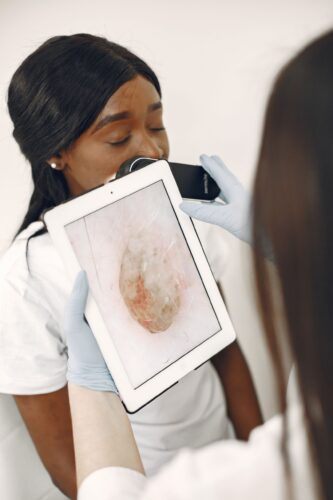
Early detection of skin cancer is vital for successful treatment. Regular self-examinations and professional skin checks can help identify any changes in your skin. Here’s how to conduct a self-exam:
- Know Your Skin
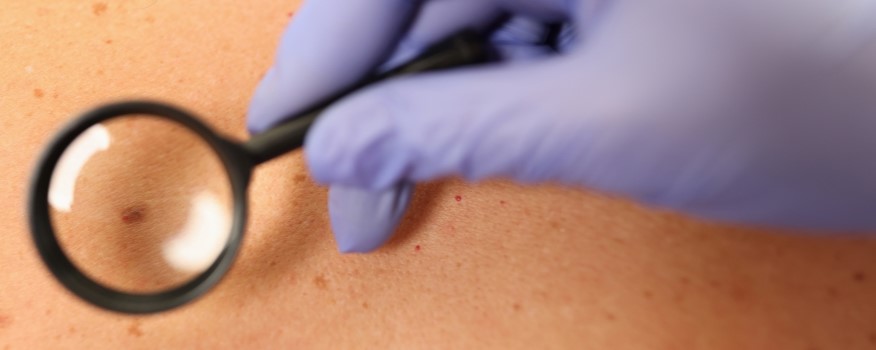
Familiarize yourself with the moles, spots, and blemishes on your skin. This awareness will make it easier to identify any changes.
- Examine Your Skin Monthly
Set aside time each month to check your skin from head to toe, including areas that are often overlooked, such as your scalp, between your toes, and under your nails.
- Look for Changes
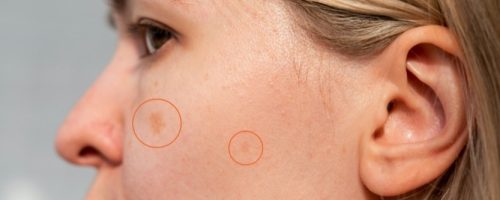
Pay attention to new growths or changes in existing moles, including size, color, shape, or texture. If you notice anything suspicious, contact a dermatologist.
- Schedule Regular Dermatology Appointments
Regular skin checks with a dermatologist, especially if you have a family history of skin cancer or previous sunburns, can help catch any potential issues early.
Treatment: Options for Skin Cancer
If diagnosed with skin cancer, treatment options will vary depending on the type, stage, and location of the cancer. Common treatments include:
- Surgical Excision
This is a common treatment for both BCC and SCC, where the tumor is cut out along with some surrounding healthy tissue to ensure complete removal.
- Mohs Surgery
Mohs micrographic surgery is a precise surgical technique often used for BCC and SCC. It involves removing cancerous skin layer by layer, examining each layer for cancer cells until no further signs of the disease are detected.
- Topical Treatments
For superficial skin cancers, topical chemotherapy or immunotherapy creams may be applied directly to the affected area, helping to eliminate cancerous cells.
- Radiation Therapy
This treatment option may be recommended for non-surgical candidates or for those with cancer that has spread. Radiation therapy targets cancer cells while minimizing damage to surrounding healthy tissue.
- Immunotherapy and Targeted Therapy
For advanced melanoma, immunotherapy or targeted therapy may be options. These treatments work by enhancing the body’s immune response or targeting specific pathways that contribute to cancer growth.
Living in sunny New Braunfels, TX, it’s crucial to be proactive about skin health. Understanding skin cancer—its prevention, detection, and treatment—empowers you to take control of your skin health.
At Elect Dermatology, we are here to provide comprehensive skin care and support for our community.
If you have concerns about skin cancer or need a skin examination, don’t hesitate to reach out to us at 833-353-2875 to schedule a consultation. Together, we can prioritize your skin health and well-being.
Schedule Your Dermatology Appointment
Our board certified dermatologists in New Braunfels are here to help. New patients are always welcome.