Skin cancer can appear in many different ways, which is why it is often mistaken for harmless skin issues like pimples, dry patches, scars, or age spots. Because the face receives frequent sun exposure, it is one of the most common areas for skin cancer to develop.
At Elect Dermatology, patients in New Braunfels often ask what warning signs they should look for and when they should schedule a skin evaluation. Recognizing suspicious changes early is important because skin cancer is highly treatable when caught in its early stages.
Why Skin Cancer Commonly Develops on the Face
The face is regularly exposed to ultraviolet (UV) radiation from the sun. Over time, UV damage can alter skin cells and increase the risk of skin cancer.
Areas most commonly affected include:
- Nose
- Cheeks
- Forehead
- Ears
- Lips
- Eyelids
People with fair skin, frequent sun exposure, tanning bed history, or a history of sunburns may face an increased risk.
Common Signs of Skin Cancer on the Face
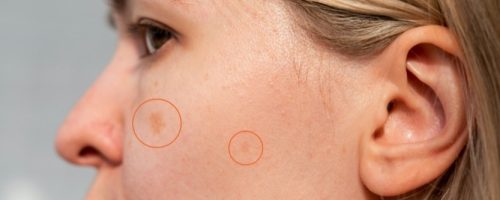
Skin cancer does not always look dramatic or severe in the beginning. In many cases, it starts as a subtle change in the skin.
Warning signs may include:
- A sore that does not heal
- A spot that repeatedly bleeds or crusts
- A shiny or pearly bump
- A scaly or rough patch
- A mole that changes in size, shape, or color
- A pink or red growth
- A dark streak or irregular pigmentation
Any persistent or changing lesion should be professionally evaluated.
What Basal Cell Carcinoma May Look Like
Basal cell carcinoma is the most common type of skin cancer. It often develops slowly and commonly appears on sun-exposed areas of the face.
It may appear as:
- A shiny or translucent bump
- A flesh-colored growth
- A sore that heals and returns
- A pink patch with raised edges
- A waxy-looking spot
Because basal cell carcinoma may resemble acne or irritation, some patients delay seeking treatment.
What Squamous Cell Carcinoma May Look Like
Squamous cell carcinoma is another common form of skin cancer that can develop on the face.
Signs may include:
- A rough or scaly patch
- A wart-like growth
- A crusted sore
- A tender raised bump
- A lesion that bleeds easily
Squamous cell carcinoma may become more aggressive if left untreated.
What Melanoma May Look Like
Melanoma is less common but more dangerous because it can spread to other parts of the body if not detected early.
Melanoma may appear as:
- An unusual mole
- A dark or multi-colored spot
- An asymmetrical lesion
- A mole with irregular borders
- A spot that changes over time
Dermatologists often recommend using the ABCDE rule when evaluating moles:
- Asymmetry
- Border irregularity
- Color variation
- Diameter larger than a pencil eraser
- Evolving or changing appearance
Skin Cancer Can Be Mistaken for Other Skin Problems
One reason skin cancer sometimes goes undetected is because it may resemble:
- Acne
- Age spots
- Dry skin
- Eczema
- Scars
- Rashes
If a skin lesion continues to change, bleed, itch, or fail to heal, it should not be ignored.
When Should You See a Dermatologist?
You should schedule a skin evaluation if you notice:
- A spot that changes appearance
- A sore that does not heal within a few weeks
- Persistent crusting or bleeding
- New growths on the face
- Unusual moles or discoloration
Early detection plays a major role in successful treatment outcomes.
How Dermatologists Diagnose Skin Cancer
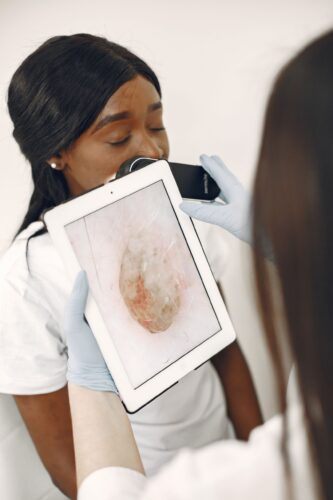
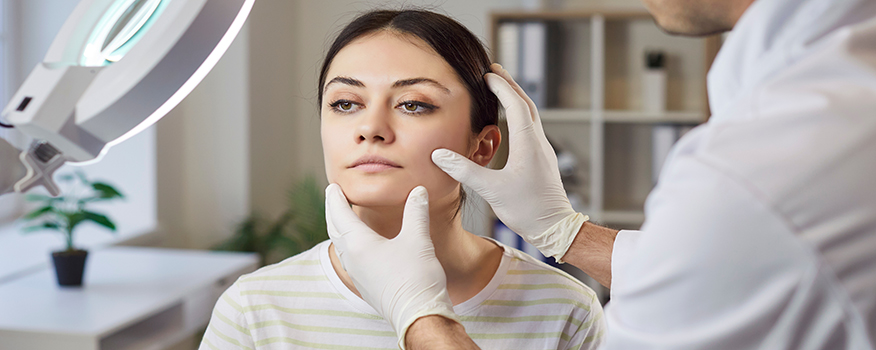
At Elect Dermatology, suspicious skin lesions are evaluated through a professional skin examination. If needed, a biopsy may be performed to determine whether cancer cells are present.
Treatment recommendations depend on:
- The type of skin cancer
- The size and location of the lesion
- How early it was detected
- The patient’s overall skin health
Protecting Your Skin From Future Damage
Preventing additional UV damage is important for reducing skin cancer risk.
Helpful prevention tips include:
- Using sunscreen daily
- Wearing hats and protective clothing
- Avoiding tanning beds
- Limiting excessive sun exposure
- Scheduling routine skin checks
If you notice suspicious spots, changing moles, or skin lesions on your face, Elect Dermatology provides professional skin evaluations and skin cancer screenings for patients in New Braunfels.
Call 833-353-2875 today to schedule an appointment.
Schedule Your Dermatology Appointment
Our board certified dermatologists in New Braunfels are here to help. New patients are always welcome.