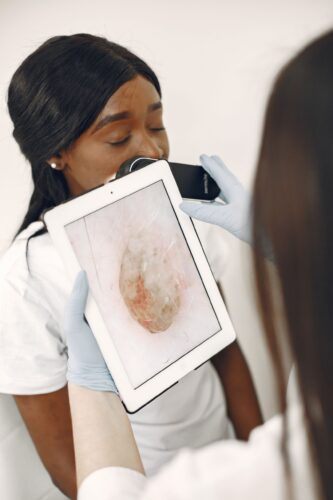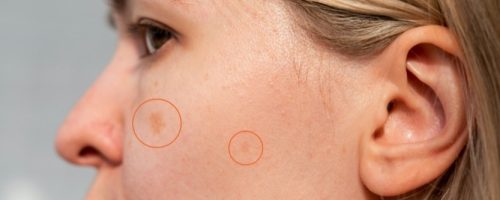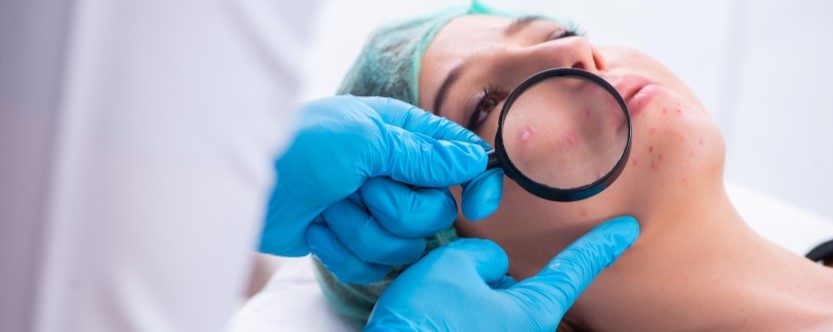
Treating rosacea effectively starts with understanding that it is a chronic inflammatory skin condition that requires ongoing management.
The goal of treatment is to reduce redness, control flare-ups, calm skin sensitivity, and protect long-term skin health.
At Elect Dermatology, rosacea treatment is tailored to each patient based on symptoms, triggers, and skin type, rather than using a one-size-fits-all approach.
Dermatologist-Recommended Rosacea Treatment Strategies
Rosacea treatment typically involves a combination of trigger management, daily skincare adjustments, and medical therapies when needed.
Addressing all three areas provides the best chance for long-term symptom control.
Identify and Avoid Rosacea Triggers
One of the most important steps in treating rosacea is identifying personal triggers that cause flare-ups.
These triggers vary by individual but often include:
- Sun exposure and heat
- Spicy foods or hot beverages
- Alcohol consumption
- Emotional stress
- Certain skincare products or cosmetics
Keeping track of flare-ups can help identify patterns and make symptom management more predictable.
Daily Skincare for Rosacea-Prone Skin
Gentle skincare is essential for managing rosacea. Overly aggressive products and treatments can worsen redness and irritation.
Dermatologist-guided skincare tips include:
- Using mild, fragrance-free cleansers
- Avoiding scrubs, exfoliants, and harsh active ingredients
- Applying a gentle moisturizer to support the skin barrier
- Wearing broad-spectrum sunscreen every day
Daily sun protection is critical, as ultraviolet exposure is one of the most common and consistent rosacea triggers.
Medical Treatments for Rosacea
Many patients require medical treatment to keep rosacea symptoms under control. Depending on the type and severity of rosacea, a dermatologist may recommend topical medications, oral therapies, or in-office treatments designed to reduce redness and inflammation.
Treatment plans are customized based on whether symptoms involve persistent redness, visible blood vessels, inflammatory breakouts, or skin sensitivity.
Why Seeing a Dermatologist Matters
Rosacea is a long-term condition that often changes over time. Professional dermatologic care ensures treatment is adjusted as symptoms evolve.
Self-treating with over-the-counter products can sometimes worsen flare-ups or delay effective treatment. A dermatologist can confirm the diagnosis and recommend therapies that are appropriate for your specific type of rosacea.
Lifestyle Habits That Support Rosacea Treatment
In addition to medical care and skincare, certain lifestyle choices can help reduce flare-ups:
- Managing stress levels
- Staying well hydrated
- Protecting skin from heat and extreme temperatures
- Choosing gentle, non-irritating makeup products
These habits support overall skin health and complement professional treatment.
Personalized Rosacea Care at Elect Dermatology
At Elect Dermatology, rosacea treatment focuses on identifying triggers, calming inflammation, and maintaining healthy skin over time.
Each treatment plan is individualized to match the patient’s symptoms and goals.
Patients in New Braunfels, TX often seek dermatologic care when rosacea becomes persistent, uncomfortable, or difficult to manage on their own.
When to Schedule a Rosacea Evaluation
If facial redness, flushing, irritation, or acne-like breakouts are not improving with basic skincare, it may be time to see a dermatologist.
Early treatment can help prevent symptoms from worsening.
Schedule a Rosacea Consultation
If you are struggling with rosacea or persistent facial redness, contact us at 833-353-2875 to schedule a consultation.
Our team proudly serves patients in New Braunfels, TX and surrounding communities.
Schedule Your Dermatology Appointment
Our board certified dermatologists in New Braunfels are here to help. New patients are always welcome.