At Elect Dermatology, one of the most common questions we hear from patients in New Braunfels, TX is, “How do I know if this spot on my skin is something I should worry about?”
With so many different types of marks—from freckles and moles to age spots and sun damage—it can be difficult to determine what’s harmless and what needs professional evaluation. Your skin is your body’s largest organ, and paying attention to changes is essential for catching potential issues early.
While many spots are completely benign, others may signal underlying skin conditions or even the early stages of skin cancer. Knowing when to seek a dermatologist’s opinion can give you peace of mind and help protect your long-term health.
Below, we break down the key signs to watch for and when you should book a visit with Elect Dermatology here in New Braunfels, TX.
Changes in Size, Shape, or Color
Healthy moles or skin spots tend to remain consistent over time. When a spot begins to evolve, it can be a red flag.
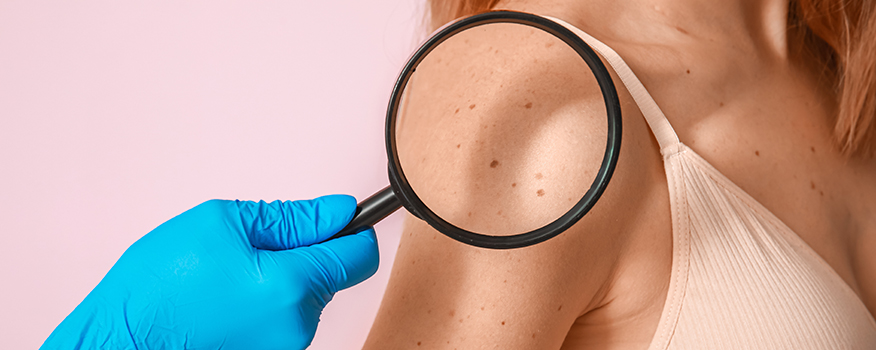
Dermatologists use the “ABCDE rule” to evaluate potential warning signs of melanoma and other serious skin conditions:
- A – Asymmetry: One half looks different from the other.
- B – Border: Uneven, blurred, or jagged edges.
- C – Color: Multiple colors or shades (brown, black, red, white, or blue).
- D – Diameter: Larger than a pencil eraser, though smaller spots can still be concerning.
- E – Evolving: Any noticeable change in appearance or sensation.
If you notice any of these characteristics, it’s important to schedule an evaluation with a dermatologist. Early detection can dramatically improve outcomes.
Persistent Itching, Burning, or Pain
Most benign moles or spots don’t cause discomfort. If a spot suddenly becomes itchy, painful, or tender, it may indicate irritation, inflammation, or an underlying condition.
Persistent discomfort shouldn’t be ignored, especially if it lasts more than a few weeks.
This type of symptom change warrants further examination to rule out infection, skin disorders, or the possibility of precancerous or cancerous growth.
Rapid Growth or Sudden Appearance
Spots that appear quickly or grow at an unusually fast rate should always be checked. While many new spots—especially in sun-exposed areas—are harmless, rapid growth can indicate abnormal cell activity.
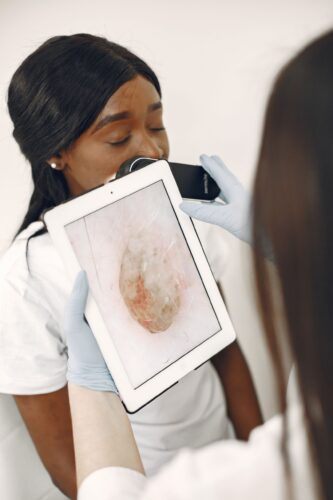
Dermatologists have specialized tools, such as dermatoscopes, to examine growth patterns and determine whether further testing is needed.
Bleeding, Crusting, or Non-Healing Areas
A spot that bleeds without injury, forms a crust repeatedly, or refuses to heal can be a sign of skin cancer, including basal cell carcinoma or squamous cell carcinoma.
These types of cancers often start as small, unassuming lesions and gradually worsen.
If you have a spot that stays open, scabs over, or bleeds intermittently, it’s time to schedule an appointment with Elect Dermatology for a thorough evaluation.
Differences Compared to Other Spots
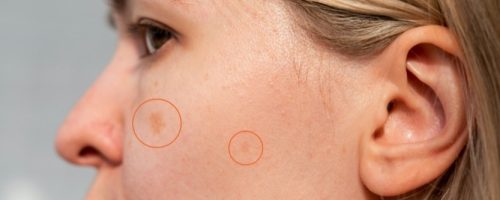
Sometimes the most concerning spot is the one that looks completely different from the rest. Dermatologists refer to this as the “ugly duckling sign.”
If you have many moles, but one stands out in size, color, texture, or shape, that difference can indicate abnormal development.
We recommend noting any “odd” spot and monitoring it closely for additional changes.
History of Sun Exposure or Skin Cancer
Living in Texas means significant sun exposure—and residents of New Braunfels, TX are no exception. If you have a history of sunburns, tanning bed use, or prolonged outdoor activity, your risk of developing skin cancer increases.
Additionally, if you or a family member has a history of skin cancer, you should be extra vigilant.
In these cases, annual dermatological checkups are essential, and any new or changing spot should be examined promptly.
Unusual Texture or Raised Bumps
Changes in the skin’s surface, such as rough patches, raised bumps, or scaly areas, may indicate conditions ranging from eczema to actinic keratosis—precancerous spots caused by UV exposure.
Some raised lesions are harmless, but others require biopsy and treatment.
Texture changes are a noticeable sign that a dermatologist should evaluate the area.
When Should You Visit a Dermatologist?
You should book an appointment if:
- A spot looks different or is changing over time
- You experience itching, bleeding, or pain
- You have a personal or family history of skin cancer
- You have concerns or are unsure about a spot’s characteristics
It’s always better to be cautious. Dermatologists can quickly determine whether a spot is benign or requires further attention, giving you confidence and peace of mind.
Elect Dermatology Is Here to Help
At Elect Dermatology, we take a patient-centered approach. We know that waiting and wondering can create unnecessary worry. Our team uses advanced diagnostic tools and years of expertise to provide accurate evaluations, personalized recommendations, and clear answers.
If you have a spot on your skin that concerns you, don’t wait—schedule an appointment with Elect Dermatology in New Braunfels, TX today. Early evaluation is the key to protecting your health and keeping your skin safe.
Schedule Your Dermatology Appointment
Our board certified dermatologists in New Braunfels are here to help. New patients are always welcome.