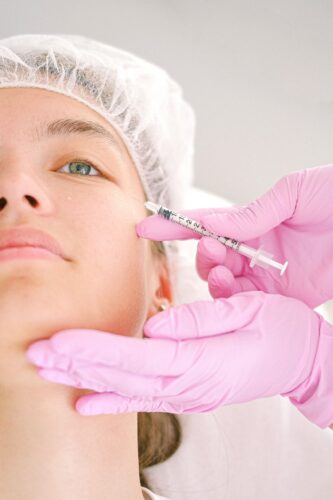
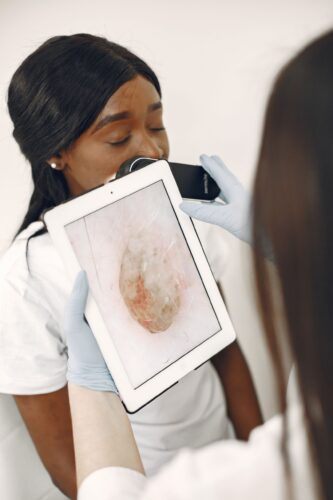
Skin is the largest organ of the body and serves as the first line of defense against external elements. Despite its resilience, it is prone to various problems that can affect its appearance and health.
At Elect Dermatology, we understand the importance of maintaining healthy skin and are here to help you navigate through common skin issues.
Here are some prevalent skin problems and provide insights on how to address them.
Acne
Overview:
Acne is one of the most common skin conditions, affecting people of all ages. It occurs when hair follicles become clogged with oil and dead skin cells, leading to whiteheads, blackheads, and pimples. Hormonal changes, diet, stress, and certain medications can exacerbate acne.
Treatment:
- Topical Treatments: Over-the-counter products containing benzoyl peroxide, salicylic acid, or retinoids can help clear up mild acne.
- Prescription Medications: For more severe cases, dermatologists may prescribe topical or oral antibiotics, stronger retinoids, or hormonal treatments.
- Lifestyle Changes: Regularly washing your face, avoiding oily cosmetics, and eating a balanced diet can help manage acne.
Eczema
Overview:
Eczema, or atopic dermatitis, is a chronic condition characterized by itchy, inflamed skin. It often appears in childhood but can affect individuals at any age. Eczema can be triggered by environmental factors, allergens, stress, and irritants.
Treatment:
- Moisturizers: Keeping the skin hydrated is crucial. Use thick, fragrance-free moisturizers regularly.
- Topical Steroids: These can reduce inflammation and itching.
- Avoiding Triggers: Identifying and avoiding triggers such as certain soaps, fabrics, and foods can help manage flare-ups.
Psoriasis
Overview:
Psoriasis is an autoimmune condition that causes rapid skin cell turnover, resulting in thick, red patches with silvery scales. It can be painful and itchy, often affecting the scalp, elbows, knees, and lower back.
Treatment:
- Topical Treatments: Corticosteroids, vitamin D analogs, and retinoids can help reduce inflammation and slow skin cell growth.
- Phototherapy: Exposure to ultraviolet light under medical supervision can help manage psoriasis.
- Systemic Treatments: For severe cases, oral or injected medications that affect the immune system may be prescribed.
Rosacea
Overview:
Rosacea is a chronic condition that causes facial redness, visible blood vessels, and sometimes acne-like bumps. It often affects middle-aged women with fair skin. Triggers include sun exposure, spicy foods, alcohol, and stress.
Treatment:
- Topical Treatments: Metronidazole, azelaic acid, and ivermectin can reduce redness and inflammation.
- Oral Antibiotics: These may be prescribed for more severe cases.
- Laser Therapy: This can help reduce visible blood vessels and redness.
Melasma
Overview:
Melasma is a condition that causes brown or gray-brown patches on the face, particularly the cheeks, forehead, nose, and chin. It is often triggered by hormonal changes, sun exposure, and certain medications.
Treatment:
- Sun Protection: Using broad-spectrum sunscreen daily is crucial in managing melasma.
- Topical Treatments: Hydroquinone, tretinoin, and corticosteroids can lighten the patches.
- Chemical Peels: These can help remove the top layer of skin, reducing the appearance of melasma.
Fungal Infections
Overview:
Fungal infections, such as athlete’s foot, ringworm, and yeast infections, are caused by various fungi that thrive in warm, moist environments. They can cause red, itchy, and sometimes painful skin.
Treatment:
- Antifungal Medications: Topical or oral antifungal medications can treat most fungal infections.
- Hygiene: Keeping the affected area clean and dry is essential to prevent recurrence.
- Avoiding Shared Items: Not sharing towels, clothing, and other personal items can help prevent the spread of fungal infections.
Skin Cancer
Overview:
Skin cancer, including basal cell carcinoma, squamous cell carcinoma, and melanoma, is a serious condition caused by the uncontrolled growth of abnormal skin cells. Risk factors include excessive sun exposure, tanning beds, and genetic predisposition.
Treatment:
- Early Detection: Regular skin checks and monitoring changes in moles or new growths are crucial.
- Surgical Removal: Most skin cancers can be treated by removing the affected tissue.
- Advanced Treatments: Radiation, chemotherapy, and immunotherapy may be necessary for advanced cases.
Maintaining healthy skin involves more than just a good skincare routine; it requires knowledge of common skin problems and how to address them effectively. At Elect Dermatology, we offer personalized treatment plans tailored to your specific skin concerns.
If you are experiencing any of these skin problems, call us today at 833-353-2875 to schedule a consultation with our experienced dermatologists to receive the care and guidance you need for healthier, clearer skin.
Schedule Your Dermatology Appointment
Our board certified dermatologists in New Braunfels are here to help. New patients are always welcome.