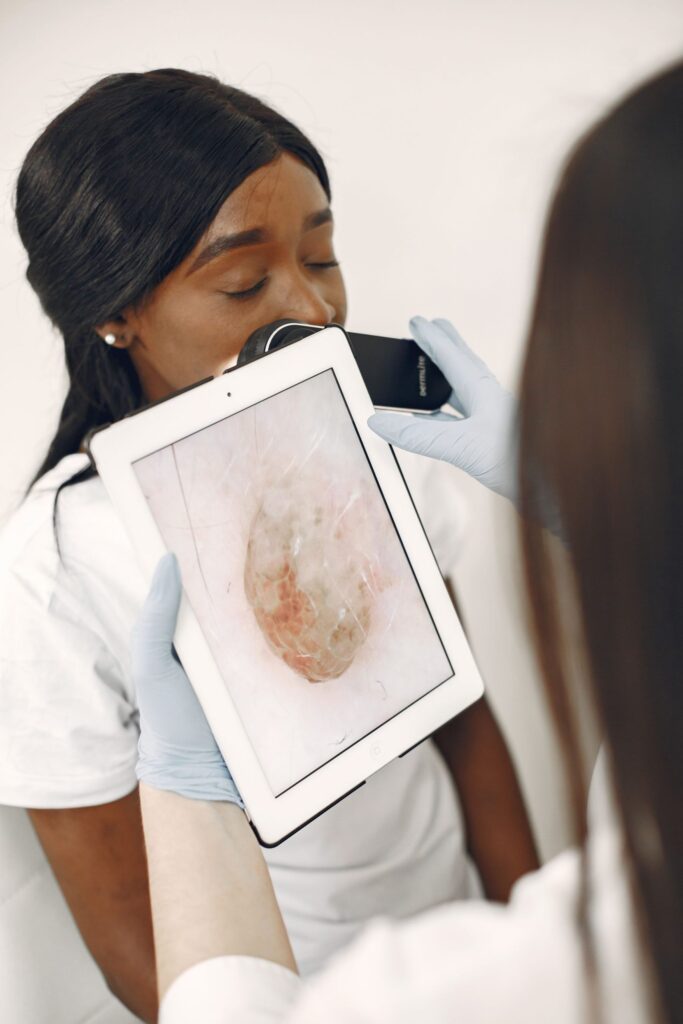
Living in Texas means enjoying plenty of sunshine, but it also means greater exposure to ultraviolet (UV) rays that can damage your skin over time. While many people are familiar with melanoma, squamous cell carcinoma (SCC) is actually one of the most common types of skin cancer and can become serious if left untreated.
The good news is that squamous cell carcinoma is highly treatable when detected early. Knowing what to look for and scheduling regular skin exams can help identify suspicious spots before they have the opportunity to grow or spread.
At Elect Dermatology in New Braunfels, TX, we diagnose and treat squamous cell carcinoma and other forms of skin cancer using personalized treatment plans designed to protect your health while preserving as much healthy skin as possible.
What Is Squamous Cell Carcinoma?
Squamous cell carcinoma develops in the squamous cells that make up much of the outer layer of your skin. Years of cumulative sun exposure are the leading cause, which is why SCC is commonly found on areas that receive the most sunlight, including the:
- Face
- Ears
- Scalp
- Neck
- Hands
- Forearms
- Lower legs
Although squamous cell carcinoma usually grows slowly, it can invade deeper tissues or spread to other parts of the body if treatment is delayed.
Warning Signs You Shouldn’t Ignore
Unlike a typical cut or scrape, squamous cell carcinoma often doesn’t heal normally. Many patients first notice a rough patch or sore that simply won’t go away.
Some of the most common warning signs include:
- A firm, red bump
- A rough, scaly patch that continues growing
- A sore that repeatedly crusts, bleeds, or doesn’t heal
- A wart-like growth
- A raised area with a central depression
- A tender or painful spot that persists for several weeks
Because these changes can resemble eczema, psoriasis, or other non-cancerous skin conditions, it’s important to have any suspicious lesion evaluated by a dermatologist rather than trying to diagnose it yourself.
Who Is Most at Risk?
Anyone can develop squamous cell carcinoma, but certain factors significantly increase your risk.
- Years of sun exposure
- Living in sunny climates like Texas
- Frequent outdoor work or recreation
- Fair skin, light eyes, or light hair
- A history of severe sunburns
- Previous skin cancer
- A weakened immune system
- Older age
Even if you’ve been careful with sunscreen in recent years, much of the skin damage that leads to squamous cell carcinoma occurs gradually over decades.
If you spend a lot of time outdoors or have noticed changing spots on your skin, scheduling a professional skin cancer screening is one of the best ways to detect problems early.
How Is Squamous Cell Carcinoma Diagnosed?
The first step is a thorough skin examination by a dermatologist. If an area appears suspicious, a small skin biopsy may be performed to determine whether cancer cells are present.
Once a diagnosis is confirmed, we’ll discuss the size, depth, and location of the lesion before recommending the most appropriate treatment plan. Early diagnosis often allows for simpler treatment and excellent outcomes.
Treatment Options for Squamous Cell Carcinoma
Treatment depends on the size, depth, and location of the cancer, as well as your overall health. Many squamous cell carcinomas can be successfully treated when caught early.
Your treatment may include:
- Surgical removal of the cancerous tissue
- Mohs micrographic surgery for certain high-risk or cosmetically sensitive areas
- Cryotherapy for select precancerous lesions
- Topical medications in appropriate cases
- Additional treatment for larger or more advanced lesions when necessary
Our goal is always to completely remove the cancer while preserving as much healthy tissue as possible and minimizing the risk of recurrence.
Protecting Your Skin Going Forward
After being diagnosed with squamous cell carcinoma, your risk of developing another skin cancer increases. That’s why ongoing skin checks and daily sun protection are so important.
Simple habits can make a significant difference, including wearing broad-spectrum sunscreen, protective clothing, wide-brimmed hats, and avoiding prolonged sun exposure during peak afternoon hours.
Regular self-exams at home, combined with routine dermatology visits, can help detect new skin cancers before they become more difficult to treat.
Schedule a Skin Cancer Evaluation at Elect Dermatology
If you’ve noticed a sore that won’t heal, a rough patch that’s changing, or any new growth that concerns you, don’t wait to have it evaluated. Early diagnosis is one of the most effective ways to successfully treat squamous cell carcinoma.
Contact us today at 833-353-2875 to schedule a comprehensive skin examination. Our experienced team is here to evaluate suspicious skin changes, answer your questions, and provide the personalized care you deserve.
Due for a skin check? Our skin cancer screening in New Braunfels is a 15-minute full-body skin exam with one of our providers. Call (833) 353-2875 to schedule.
Schedule Your Dermatology Appointment
Our board certified dermatologists in New Braunfels are here to help. New patients are always welcome.