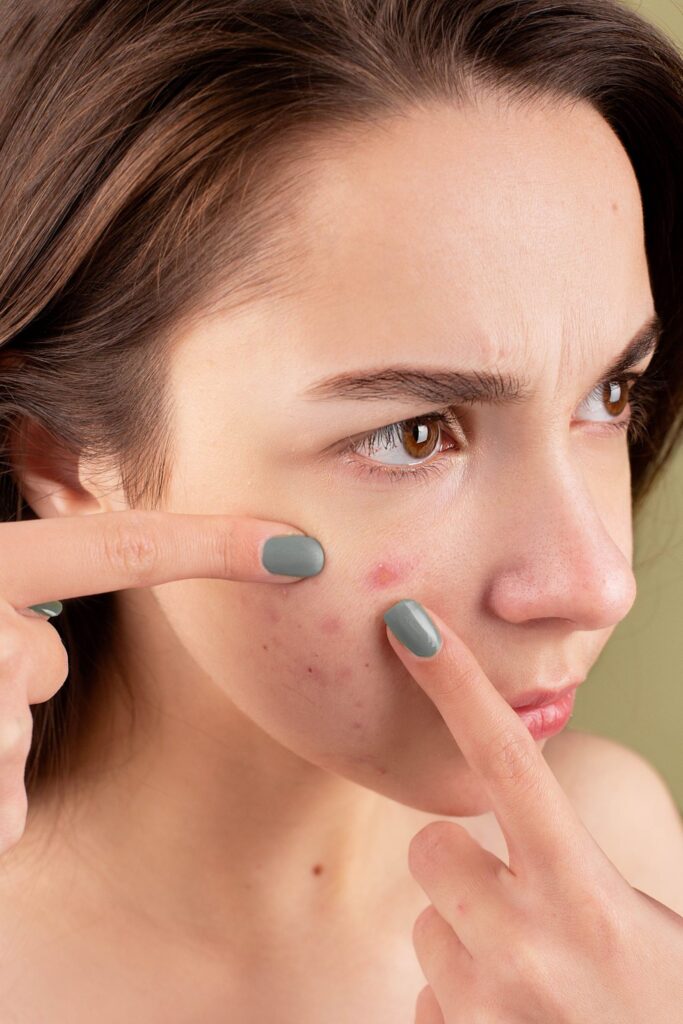
Teen acne treatment in New Braunfels, TX is one of the most common reasons families visit Elect Dermatology — and one of the most important. Acne during adolescence is not a cosmetic inconvenience to be waited out. Untreated moderate-to-severe acne causes permanent scarring in a significant percentage of teens, and the psychological impact — on self-esteem, social development, school performance, and mental health — is well-documented in dermatology research. If your teenager has acne that isn’t responding to over-the-counter products, a board-certified dermatologist can offer treatments that dramatically change the trajectory.

Why Teen Acne Is Different from Adult Acne
Adolescent acne is primarily driven by androgen hormones — testosterone, DHEA-S, and others — that surge during puberty. These androgens stimulate the sebaceous (oil) glands to produce more sebum, which combines with dead skin cells to clog follicles. When Cutibacterium acnes bacteria colonize these clogged follicles, inflammation follows.
Teen acne is typically more inflammatory and more widespread than adult acne, often affecting the face, chest, back, and shoulders simultaneously. It tends to be driven by hormonal fluctuations that peak in early-to-mid adolescence. Adult acne, by contrast, is often more hormonally nuanced and tends to cluster around the jawline and chin — a distinction that helps dermatologists tailor treatment strategies for each age group.
The Real Risk: Permanent Scarring
The most critical reason to treat teen acne aggressively rather than waiting for it to “run its course” is scar prevention. Acne scars form when deep inflammatory nodules and cysts damage the dermis — the deeper layer of skin where collagen provides structural support. Once that collagen is destroyed, the resulting depressed (atrophic) scars are permanent without medical intervention.
Research by Layton et al. has shown that approximately 30% of moderate-to-severe acne patients develop some degree of permanent scarring. A study in the Journal of the American Academy of Dermatology documented significant rates of depression, anxiety, and reduced quality of life among teens with acne — reinforcing that this is both a medical and a mental health concern. Effective treatment initiated early does not just improve current breakouts — it prevents the scars that would otherwise require years of acne scar treatment to address.
How We Grade Acne and Why It Matters
Before determining the appropriate treatment, our dermatologists evaluate acne severity using a clinical grading system:
- Grade I (Comedonal): Primarily non-inflammatory — blackheads and whiteheads. No significant redness or nodules. Topical retinoids are the cornerstone of treatment at this stage.
- Grade II (Mild Inflammatory): Mix of comedones and papules/pustules (red bumps). Topical combination therapy — retinoid plus benzoyl peroxide or topical antibiotic — is indicated.
- Grade III (Moderate Inflammatory): Numerous papules, pustules, and possible early nodules. Oral antibiotics combined with topical therapy are typically needed. Oral antibiotics should always be combined with topical retinoids and benzoyl peroxide and limited to the shortest effective duration to reduce antibiotic resistance risk.
- Grade IV (Severe Nodulocystic): Deep, painful nodules and cysts affecting large areas. Risk of significant scarring is high. Oral isotretinoin is the most effective option and should be considered earlier in severe cases rather than cycling through insufficient treatments.
Treatment Options for Teen Acne: What Actually Works
Topical Retinoids (Tretinoin, Adapalene, Tazarotene)
The foundational treatment for virtually all grades of acne. Retinoids normalize the skin cell turnover cycle — preventing the follicular plugging that initiates every acne lesion. Adapalene 0.3% and tretinoin in multiple strengths are available by prescription. All topical retinoids require consistent nighttime use and sun protection during the day.
Topical Benzoyl Peroxide
Kills C. acnes bacteria directly. Does not contribute to antibiotic resistance — unlike topical antibiotics used alone. Available OTC at 2.5–5% (sufficient for most patients) and by prescription at higher concentrations. Most effective when combined with a topical retinoid.
Topical Antibiotics (Clindamycin, Dapsone)
Reduce bacterial colonization and inflammation. Should never be used as monotherapy due to antibiotic resistance risk — always prescribed in combination with benzoyl peroxide. Dapsone (Aczone) gel is particularly effective for inflammatory acne in female patients.
Oral Antibiotics (Doxycycline, Minocycline, Sarecycline)
For moderate-to-severe inflammatory acne not responding adequately to topical therapy alone. Reduce bacterial load and have direct anti-inflammatory properties. Typically prescribed for 3–6 month courses — not intended for long-term use. Sarecycline is a newer narrow-spectrum tetracycline with a favorable gastrointestinal side effect profile and lower antibiotic resistance risk than older tetracyclines.
Oral Contraceptives and Spironolactone (Female Patients)
FDA-approved oral contraceptives reduce androgenic stimulation of sebaceous glands in female patients. Spironolactone, an anti-androgenic medication, is highly effective for hormonal acne in appropriate female candidates — our dermatologists assess each patient’s health history and suitability individually. These options are discussed in the context of each patient’s overall medical history and goals.
Oral Isotretinoin (Accutane / Generic Formulations)
The most effective acne treatment available — and the only treatment that can produce long-term remission in severe nodulocystic acne. Isotretinoin dramatically reduces sebaceous gland size and sebum production, normalizes follicular keratinization, and has anti-inflammatory properties. A 16–20 week course produces complete or near-complete clearance in approximately 85% of patients.
Isotretinoin requires enrollment in the iPLEDGE REMS program due to strict teratogenicity risks. Monthly labs, pregnancy tests for appropriate patients, and regular dermatology visits are required throughout treatment. The well-known question about isotretinoin and depression has been extensively studied; current evidence does not support a causal relationship, though patients with pre-existing mental health conditions are monitored more closely.
What Parents Should Know: Common Myths About Teen Acne
“It will clear up on its own by 18.” Sometimes true — but waiting risks permanent scarring. Effective treatment is available now, and earlier intervention produces better outcomes.
“Diet causes acne.” High glycemic-index diets and high-dairy diets have some research support for worsening acne in susceptible individuals, but diet alone does not cause acne. No specific food needs to be eliminated unless a personal pattern is clearly observed.
“Washing your face more helps.” Overwashing strips the skin barrier, increases inflammation, and does not address the hormonal and bacterial drivers of acne. Twice-daily gentle cleanser use is appropriate — more is counterproductive.
“OTC products are basically the same as prescriptions.” They are not. Prescription-strength retinoids, oral antibiotics, and isotretinoin address acne mechanisms at a depth that OTC products cannot match.
When to Schedule a Dermatology Appointment for Teen Acne
Schedule a visit with Elect Dermatology if your teen has:
- Acne that has not responded to 8+ weeks of consistent OTC treatment
- Any nodules or cysts (deep, painful bumps) — immediate treatment is indicated
- Post-acne marks (dark spots, redness) that are not fading
- Any early signs of scarring — pitting or indentation after lesions heal
- Acne affecting the chest or back in addition to the face
- Emotional distress related to their skin
We see patients starting at age 12 for acne management. Early intervention changes long-term outcomes significantly.
At Elect Dermatology in New Braunfels, we treat teen acne ranging from mild comedonal breakouts to severe nodulocystic acne requiring isotretinoin. Families from New Braunfels, Seguin, Canyon Lake, and San Marcos trust our board-certified dermatologists for evidence-based acne care tailored to each patient’s history and goals.
Frequently Asked Questions: Teen Acne Treatment
How long does acne treatment take to work?
Most topical treatments require 8–12 weeks of consistent use before significant improvement is visible. Oral antibiotics often show results in 6–8 weeks. Isotretinoin typically peaks in effectiveness around weeks 12–16. Patients who stop treatment at 4 weeks due to insufficient response have usually not given it adequate time.
Is isotretinoin safe for teenagers?
Yes, when monitored appropriately under a board-certified dermatologist’s care and within the iPLEDGE program. Millions of patients have been treated with isotretinoin since FDA approval in 1982. The major absolute contraindication is pregnancy.
Will my teen’s acne come back after isotretinoin?
Approximately 15–20% of patients require a second course. The remaining 80–85% achieve long-term remission. Topical maintenance therapy (retinoid) after completing isotretinoin further reduces recurrence risk.
What skincare routine should a teen with acne follow?
Morning: gentle cleanser → prescribed topical treatment → oil-free non-comedogenic moisturizer → SPF 30+ sunscreen. Evening: gentle cleanser → topical retinoid → non-comedogenic moisturizer. Keep it simple — overly complex routines add irritation without benefit.
Schedule Your Teen’s Acne Consultation in New Braunfels
Teen acne can leave permanent scars if not treated early. If your child has moderate acne, painful breakouts, or acne that isn’t improving with OTC products, early dermatology care can prevent lifelong scarring. Elect Dermatology is currently accepting new teen acne patients in New Braunfels — appointments are available within days.
Dr. Hockley and Dr. Stahr provide evidence-based acne treatment for adolescents at every severity level, including comprehensive acne management for milder presentations.
📞 Call (833) 353-2875 to schedule your appointment.
📍 2154 Gabriels Pl, Ste 103, New Braunfels, TX 78130
References
- American Academy of Dermatology. Acne Clinical Guideline. Accessed 2025.
- Zaenglein AL, et al. “Guidelines of care for the management of acne vulgaris.” Journal of the American Academy of Dermatology. 2016;74(5):945–973. PubMed.
- Layton AM. “A review on the treatment of acne vulgaris.” International Journal of Clinical Practice. 2006;60(1):64–72.
- Leyden JJ, et al. “Why topical retinoids are mainstay of therapy for acne.” Dermatology and Therapy. 2017;7(3):293–304. PubMed.
- Tan JK, Bhate K. “A global perspective on the epidemiology of acne.” British Journal of Dermatology. 2015;172 Suppl 1:3–12. PubMed.
- iPLEDGE Program. FDA REMS for Isotretinoin. Accessed 2025.
- Halvorsen JA, et al. “Suicidal ideation, mental health problems, and social impairment are increased in adolescents with acne.” Journal of Investigative Dermatology. 2011;131(2):363–370. PubMed.
For men in particular, see our guide to men’s skin care and dermatology in New Braunfels.
Schedule Your Dermatology Appointment
Our board certified dermatologists in New Braunfels are here to help. New patients are always welcome.