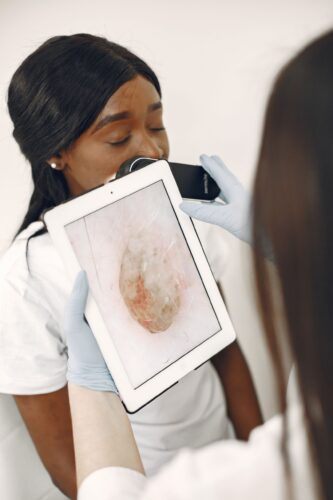
At Elect Dermatology, we see patients every day who are concerned about sun spots, uneven skin tone, and pigmentation issues caused by years of sun exposure. Living in Texas—especially areas like New Braunfels, TX—means we enjoy plenty of sunshine, but that also means our skin takes on more UV exposure than most people realize.
Over time, this sun exposure can lead to discoloration, premature aging, and stubborn pigmentation that can be difficult to treat without professional help.
Fortunately, today’s dermatological treatments offer safe, effective options for reversing visible sun damage and restoring a brighter, more even complexion. Alongside treatment, smart prevention strategies can help protect your skin long-term and maintain the results you’ve worked so hard to achieve.
Below, we break down everything you need to know about sun damage, pigmentation, treatment options, and prevention tips from the experts at Elect Dermatology.
Understanding Sun Damage & Pigmentation
Sun damage occurs when ultraviolet (UV) radiation breaks down skin cells and affects melanin production. Melanin is the pigment responsible for our skin tone.
When UV exposure triggers melanin production, the skin responds by forming dark patches or spots.
Common signs of sun damage include:
- Freckles or “sun spots”
- Age spots or liver spots
- Uneven skin tone
- Brown patches on the face, chest, or hands
- Rough texture and fine lines
- Redness or broken capillaries
Many of these concerns develop slowly, often appearing after years of accumulated sun exposure. That’s why Texas patients, especially those in sunny areas like New Braunfels, TX, commonly report pigmentation issues as they age.
Why Sun Damage Happens
UV radiation affects the skin at multiple levels. UVA rays penetrate deeply, contributing to premature aging, while UVB rays burn the surface of the skin and damage DNA.
This combination leads to inflammation, pigment clumping, and accelerated cell breakdown.
Your skin tries to protect itself by producing more melanin, which is why discoloration forms. Without treatment, these spots may become darker or more widespread over time.
Effective Treatment Options for Sun Damage & Pigmentation
When it comes to treating pigmentation, there is no one-size-fits-all solution. The best treatment depends on your skin type, the severity of the discoloration, and your medical history.
At Elect Dermatology, we offer several evidence-based treatments to safely and effectively target sun damage.
Chemical Peels
Chemical peels exfoliate the top layers of skin to reveal fresh, new skin beneath. They help fade dark spots, smooth texture, and brighten dull-looking skin. Peels range in strength from mild to deep, depending on your goals.
Prescription Topicals
Professional-grade creams containing ingredients like hydroquinone, retinoids, kojic acid, or vitamin C can help lighten pigmentation gradually. These treatments are ideal for patients seeking at-home solutions to supplement in-office procedures.
Microneedling & Collagen Therapy
Microneedling stimulates collagen production and helps break up pigment by creating microchannels in the skin. Over time, this improves skin tone, texture, and firmness.
Cryotherapy Precise liquid-nitrogen freezing targets individual sun spots and other benign pigmented lesions, causing them to darken, crust, and flake away over one to two weeks — a quick in-office treatment with no downtime beyond the temporary marks.
How Long Does It Take to See Results?
Results vary depending on the treatment method and severity of the pigmentation. In-office treatments like cryotherapy and peels often show results within a few weeks, while topicals may require several months of consistent use.
Many patients choose a combination approach to achieve maximum improvement.
Prevention Is the Best Long-Term Strategy
Once pigmentation forms, treatment can help fade it—but prevention is your strongest tool for maintaining healthy, even-toned skin. Here are our top recommendations:
- Daily Sunscreen Use – Use broad-spectrum SPF 30 or higher every day, even on cloudy days. Sunscreen is the single most effective way to prevent new pigmentation from forming.
- Avoid Peak Sun Hours – UV rays are strongest mid-day. When possible, limit outdoor exposure between 10 a.m. and 4 p.m.
- Protective Clothing – Wear wide-brimmed hats, sunglasses, and UPF-rated clothing when spending long periods outdoors.
- Regular Skin Exams – Routine check-ins with a dermatologist help detect early signs of sun damage, precancerous changes, and pigment disorders.
When to See a Dermatologist
If you notice darkening patches, rapid changes, or new pigmentation appearing suddenly, it’s best to consult a dermatologist.
Sometimes pigmentation can be mistaken for more serious conditions, and professional evaluation ensures safe, accurate treatment.
Elect Dermatology: Your Partner in Healthy, Radiant Skin
At Elect Dermatology, we offer personalized treatment plans tailored to your unique needs.
Whether you’re dealing with sun damage, pigmentation, or overall skin aging, our team provides expert guidance and advanced solutions to help you feel confident in your skin.
If you’re ready to improve sun damage and prevent future pigmentation, schedule an appointment with Elect Dermatology in New Braunfels, TX today. Healthy, radiant skin starts with expert care and proactive protection.
Schedule Your Dermatology Appointment
Our board certified dermatologists in New Braunfels are here to help. New patients are always welcome.