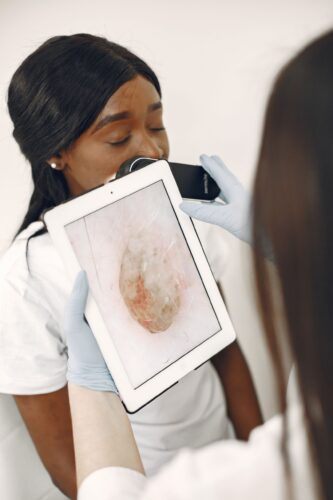
Psoriasis is a chronic autoimmune condition that affects millions of people worldwide, causing skin cells to multiply too quickly and form itchy, red, and scaly patches.
While there is no cure for psoriasis, managing flare-ups effectively can significantly improve quality of life.
At Elect Dermatology in New Braunfels, TX, we provide guidance on how to reduce triggers and manage symptoms effectively.
Here’s some information on what Psoriasis is, the practical tips for managing psoriasis flare-ups and maintaining healthier skin.
What is Psoriasis?
Psoriasis is characterized by an overactive immune response that accelerates skin cell turnover, leading to the formation of plaques on the skin.
These plaques can appear anywhere on the body but are commonly found on the scalp, elbows, knees, and lower back.
Psoriasis can vary in severity, with some individuals experiencing only a few patches while others may have widespread involvement.
Types of Psoriasis Include:
- Plaque Psoriasis: The most common form, characterized by dry, raised, red plaques covered with silvery scales.
- Guttate Psoriasis: Often begins in childhood or young adulthood, presenting as small, water-drop-shaped, scaly patches on the torso, arms, legs, and scalp.
- Inverse Psoriasis: Causes bright red, shiny, and inflamed skin, typically occurring in skin folds, such as under the breasts, in the groin, or around the genitals and buttocks.
- Pustular Psoriasis: Characterized by white pustules (blisters of noninfectious pus) surrounded by red skin.
- Erythrodermic Psoriasis: The least common form, covering large areas of the body with a fiery red rash that can itch and burn intensely.
Identifying and Managing Triggers
Psoriasis flare-ups can be triggered or exacerbated by various factors. Identifying and managing these triggers is essential for controlling symptoms and reducing the frequency of flare-ups.
1. Stress Management
Stress is a significant trigger for psoriasis flare-ups. High levels of stress can weaken the immune system and lead to increased inflammation. Incorporating stress management techniques such as mindfulness, meditation, yoga, and regular physical exercise can help alleviate stress and improve overall well-being. At Elect Dermatology in New Braunfels, TX, we can provide additional resources and recommendations for managing stress effectively.
2. Avoiding Skin Injuries
Skin injuries, such as cuts, scrapes, or sunburns, can trigger psoriasis flare-ups. Protecting your skin from injury and practicing good skincare can help minimize the risk. Use gentle skincare products, avoid harsh exfoliants, and wear protective clothing when exposed to the sun.
3. Monitoring Diet
Certain foods can exacerbate psoriasis symptoms for some individuals. While triggers can vary, common culprits include alcohol, spicy foods, and processed foods high in sugar and fat. Keeping a food diary can help identify potential dietary triggers. A balanced diet rich in fruits, vegetables, whole grains, and lean proteins can support overall skin health and potentially reduce flare-ups.
4. Managing Infections
Infections, such as strep throat or fungal infections, can trigger or worsen psoriasis symptoms. It’s essential to seek prompt treatment for infections and follow your healthcare provider’s recommendations. Keeping up with routine vaccinations and maintaining good hygiene can also help reduce the risk of infections.
5. Avoiding Smoking and Limiting Alcohol
Smoking and excessive alcohol consumption can aggravate psoriasis symptoms and interfere with treatment efficacy. Quitting smoking and limiting alcohol intake can have positive effects on both your skin and overall health.
Effective Treatments for Psoriasis
Managing psoriasis often requires a combination of treatments to control symptoms and prevent flare-ups.
Here are some effective treatment options that can be discussed with your dermatologist:
1. Topical Treatments
Topical treatments are applied directly to the skin and can help reduce inflammation, itching, and scaling. Common topical treatments include:
- Corticosteroids: Reduce inflammation and slow down skin cell growth.
- Vitamin D Analogues: Help slow skin cell production and reduce scaling.
- Coal Tar: Can reduce scaling and inflammation, although it may have a strong odor and can stain clothing.
2. Phototherapy
Phototherapy involves exposing the skin to controlled amounts of ultraviolet (UV) light. This treatment can help slow down the rapid growth of skin cells and reduce inflammation. Phototherapy is usually administered under medical supervision and can be an effective option for moderate to severe psoriasis.
3. Systemic Medications
Systemic medications work throughout the entire body and are often used for more severe cases of psoriasis. These can be oral or injectable medications and include:
- Methotrexate: Reduces inflammation and slows skin cell production.
- Cyclosporine: Suppresses the immune system to reduce psoriasis symptoms.
- Biologics: Target specific immune system components involved in psoriasis. They are typically administered by injection or infusion.
4. Moisturizers and Skin Care
Keeping the skin moisturized is crucial for managing psoriasis. Regular use of emollients and moisturizers can help alleviate dryness, reduce scaling, and improve skin texture. Look for fragrance-free products and those designed for sensitive skin.
Working with A Dermatologist
Working closely with a dermatologist allows you to develop a treatment plan tailored to your specific needs and lifestyle.
Regular check-ups and open communication with your healthcare provider can help track your progress, adjust treatments as needed, and address any concerns you may have.
If you are struggling with psoriasis or seeking guidance on how to manage your symptoms effectively, the team at Elect Dermatology in New Braunfels, TX, is here to help.
Contact us today at 833-353-2875 to schedule a consultation and explore personalized treatment options that can help you achieve healthier, more comfortable skin.
Schedule Your Dermatology Appointment
Our board certified dermatologists in New Braunfels are here to help. New patients are always welcome.