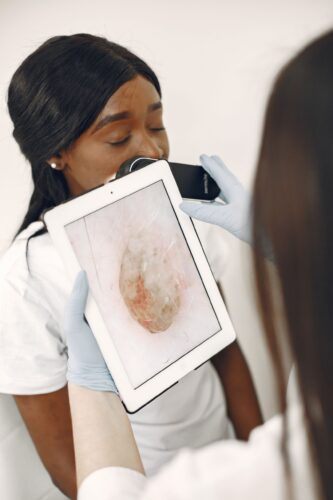
Your skin is your body’s largest organ, and it’s essential for protecting you from external elements. However, because it is constantly exposed to the environment, it’s also vulnerable to various skin conditions that can affect its health and appearance.
From acne to eczema, many common skin issues can cause discomfort, irritation, and concern. The good news is that dermatologists are experts in diagnosing and treating a wide range of skin conditions.
If you’re dealing with a skin issue, visiting a dermatologist in New Braunfels, TX, can provide the care and treatment you need to restore your skin’s health and beauty.
At Elect Dermatology, we specialize in a variety of skin treatments and offer personalized care for patients dealing with common skin conditions.
1. Acne
Acne is one of the most common skin conditions, affecting people of all ages, particularly teenagers and young adults. It occurs when hair follicles become clogged with oil, dead skin cells, and bacteria, leading to the formation of pimples, blackheads, or cysts. Acne can be frustrating, especially when it appears on the face, neck, chest, or back, and can often lead to scarring if not properly managed.
How a Dermatologist Can Help: A dermatologist can help treat acne with a variety of treatments, depending on the severity of the condition. These treatments include:
- Topical treatments: Prescription creams, gels, or lotions containing active ingredients like retinoids, benzoyl peroxide, or salicylic acid can help reduce acne.
- Oral medications: For more severe cases, oral antibiotics or hormone therapy may be prescribed to reduce inflammation and prevent breakouts.
- Laser therapy: Some types of laser treatments can target acne-causing bacteria and reduce excess oil production, improving skin texture.
- Chemical peels: These treatments can help clear out clogged pores and improve the overall appearance of the skin.
A dermatologist will work with you to create a personalized acne treatment plan that targets your specific skin type and concerns, helping you achieve clearer, smoother skin.
2. Eczema (Atopic Dermatitis)
Eczema, also known as atopic dermatitis, is a chronic inflammatory skin condition that causes the skin to become red, itchy, and dry. It can appear anywhere on the body, but it most commonly affects the face, hands, and behind the knees. Eczema can flare up due to irritants like certain fabrics, soaps, allergens, or stress. In severe cases, it can lead to cracks in the skin, increasing the risk of infection.
How a Dermatologist Can Help: A dermatologist can help you manage eczema by providing various treatments, including:
- Topical steroids: These creams and ointments can reduce inflammation and control flare-ups.
- Moisturizers: Regular moisturizing is key to managing eczema. A dermatologist can recommend emollients that lock in moisture and prevent dryness.
- Immunosuppressants: In cases of severe eczema, oral medications or biologic therapies may be used to suppress the immune system and reduce inflammation.
- Allergy testing: If allergens trigger your eczema, your dermatologist may recommend allergy testing to identify and avoid specific triggers.
By providing you with the right treatments and lifestyle tips, a dermatologist can help you manage eczema effectively and minimize flare-ups.
3. Psoriasis
Psoriasis is a chronic autoimmune condition that causes skin cells to multiply too quickly, leading to red, scaly patches on the skin. These patches are often found on the scalp, elbows, knees, or lower back. Psoriasis can be triggered by factors such as infections, stress, or environmental changes. It can also cause itching, pain, and embarrassment.
How a Dermatologist Can Help: While there is no cure for psoriasis, a dermatologist can help you manage it through a combination of treatments, including:
- Topical treatments: Prescription-strength corticosteroids, vitamin D analogs, and coal tar can reduce inflammation and slow skin cell turnover.
- Phototherapy: UVB light therapy can help slow the rapid growth of skin cells and improve psoriasis symptoms.
- Systemic medications: For moderate to severe psoriasis, oral medications or biologic treatments may be prescribed to target the immune system and reduce flare-ups.
- Lifestyle modifications: A dermatologist may also offer advice on lifestyle changes that can help manage psoriasis, such as stress management techniques and avoiding triggers.
With proper treatment and care, psoriasis can be managed effectively, allowing you to enjoy smoother skin and improved comfort.
4. Rosacea
Rosacea is a chronic skin condition that primarily affects the face, causing redness, visible blood vessels, and sometimes pustules or bumps. It typically affects individuals with fair skin and can be triggered by factors like sun exposure, stress, spicy foods, and alcohol. Over time, rosacea can worsen if left untreated, leading to thickened skin and more severe symptoms.
How a Dermatologist Can Help: A dermatologist can help manage rosacea through a variety of treatment options, including:
- Topical medications: Prescription creams or gels containing metronidazole or azelaic acid can help reduce redness and inflammation.
- Oral medications: Oral antibiotics, such as tetracycline or doxycycline, may be prescribed to reduce inflammation and control flare-ups.
- Laser treatments: Laser therapy can target the blood vessels responsible for the redness and improve the appearance of the skin.
- Skincare recommendations: A dermatologist can help you choose gentle skincare products that won’t irritate your skin and can recommend sun protection strategies to minimize flare-ups.
By working with a dermatologist, you can manage rosacea more effectively and reduce its impact on your appearance.
5. Skin Cancer
Skin cancer is one of the most common types of cancer in the United States, and it can appear in many different forms, including basal cell carcinoma, squamous cell carcinoma, and melanoma. Risk factors for skin cancer include excessive sun exposure, fair skin, family history, and a weakened immune system. Early detection is crucial for successful treatment.
How a Dermatologist Can Help: A dermatologist can help detect and treat skin cancer through:
- Skin exams: A dermatologist will perform regular skin checks to look for suspicious moles or growths that may indicate skin cancer.
- Biopsy: If a suspicious lesion is found, a biopsy may be performed to determine whether it is cancerous.
- Surgical treatment: If a cancerous growth is detected, a dermatologist can remove it using various techniques, such as excision or Mohs surgery.
- Follow-up care: After treatment, your dermatologist will monitor your skin to ensure that any new or recurrent skin cancer is detected early.
Regular skin checks and early intervention are key to preventing the spread of skin cancer and achieving the best possible outcome.
Your skin is unique, and skin conditions can vary greatly from person to person. Whether you’re dealing with acne, eczema, psoriasis, rosacea, or concerns about skin cancer, visiting a dermatologist in New Braunfels, TX, is an important step toward achieving healthy, beautiful skin.
At Elect Dermatology, we provide compassionate care and effective treatments to help you manage your skin conditions and improve your quality of life.
If you’re experiencing any of the above conditions or have concerns about your skin, contact us today to schedule a consultation. Our team of dermatology experts is here to help you restore and maintain the health of your skin.
Schedule Your Dermatology Appointment
Our board certified dermatologists in New Braunfels are here to help. New patients are always welcome.